Helping Build a Youth Voice for Rural Health Across BC
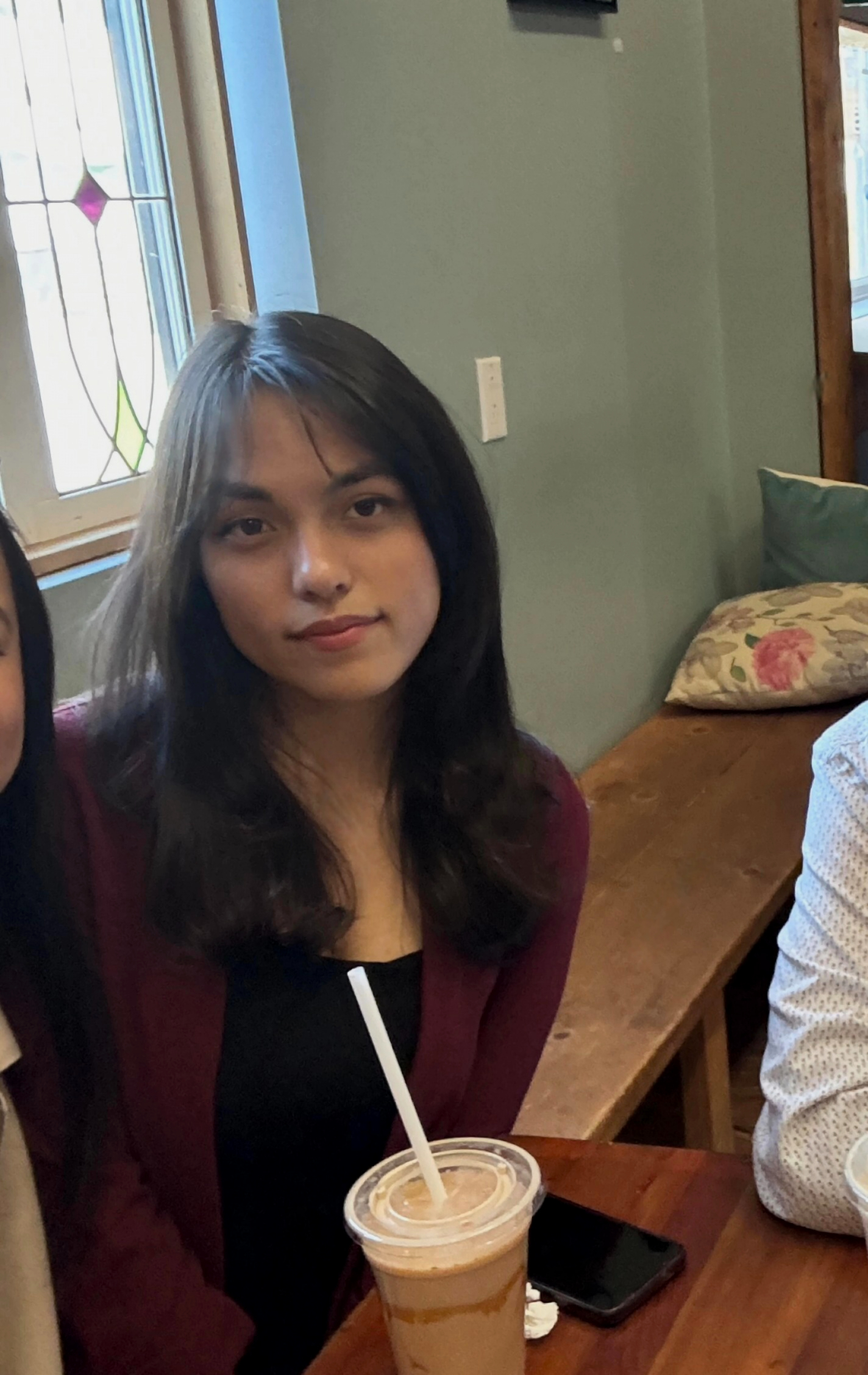
For June 2026, the BC Rural Health Network is proud to recognize Mia Petersen as our Member of the Month. Mia is being recognized not only for her personal commitment to rural health, but also for the larger vision she is helping bring forward. She is working toward the creation of a province wide youth committee that can connect young people across rural, remote, and small-town British Columbia.
Mia lives in Princeton and has already become a thoughtful rural youth voice within BCRHN. Her perspective is grounded in lived experience. She understands what it means to grow up in a smaller community, to navigate limited local services, and to consider a future in health care while facing barriers that many urban youth may not encounter in the same way.
Now, Mia is taking that experience and turning it into leadership.
A youth committee with a provincial lens
Mia’s emerging vision is to help create a youth committee connected to the BC Rural Health Network. The committee would provide a space where young people from different rural communities can share what is happening locally, compare challenges, and work together on practical ideas.
Rather than building a committee that speaks from only one town or one region, Mia sees the opportunity for youth from across the province to be part of the conversation. Communities could identify young people who want to contribute, and those youth representatives could bring forward local concerns, local data, and local solutions.
“I think the main goal would be to help rural communities. We could share what we’re doing together and collaborate in these meetings.”
– Mia Petersen
That collaborative approach matters. Rural youth are often discussed in policy conversations, but they are not always invited to shape the priorities. Mia’s work aims to change that by helping create a structure where young people can speak for themselves, learn from one another, and contribute to solutions that reflect the realities of their own communities.
Connecting youth leadership with Foundry
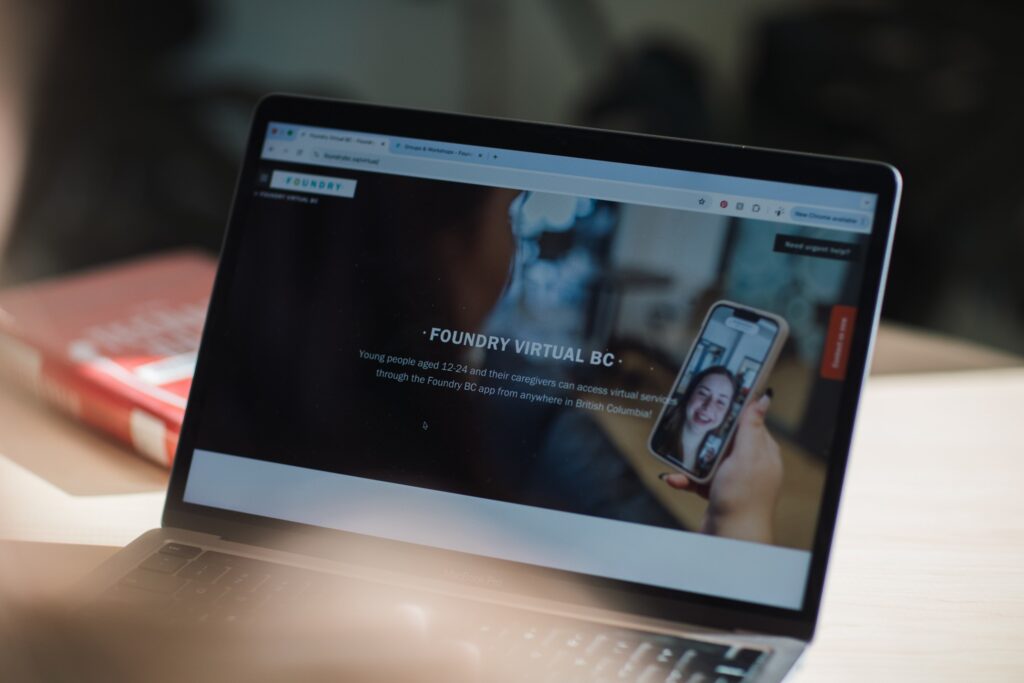
Mia has also recently begun work with Foundry as a Youth Provincial Advisor. This is a two-year role expected to continue through March 2028. Through that work, she will participate in regular meetings and may have opportunities to contribute to projects, surveys, research, and service improvement conversations.
While Foundry’s work is broader than rural health alone, Mia sees the importance of connecting youth wellness, mental health, and rural experience. Her involvement with Foundry gives her another pathway to understand how youth advisory structures work and how young people can influence services.
That experience can help inform the youth committee she hopes to build with BCRHN and strengthen the connection between youth wellness, rural health, and provincial service planning.
“Foundry supports Mia’s work to establish a youth advisory committee of young people from rural communities, ensuring their voices are represented, amplified, and used to shape supports and services- when and where they are needed.”
– Julia Hayos, Operations Lead, Virtual Care
Mia has already begun talking about the idea with other young people. A youth from Fort St. John expressed interest after hearing Mia mention the committee through a Foundry related conversation. BCRHN has also heard interest from youth connected groups in other communities, including Fraser Lake and Kitimat.

What rural youth are telling us
In her interview, Mia identified several issues that rural youth face. These include limited access to consistent primary care, uneven information about available services, fewer local educational supports, and a lack of youth focused spaces outside school.
One theme stood out clearly. Relationships matter.
Mia spoke about the challenge of relying on temporary or unfamiliar providers, especially when a young person has to repeat their story repeatedly. For her, good care is not only about whether a service technically exists. It is also about whether a young person can build trust with someone who understands their situation over time.
When services are fragmented, temporary, or difficult to access, young people may delay asking for help. They may feel that their concerns are not serious enough, or they may not know where to go. In small communities, privacy, transportation, cost, and availability can all affect whether a young person reaches out.
Mia also noted that rural youth may not always know what supports are available unless they happen to ask the right person. This points to a practical opportunity for BCRHN and partners. We need better communication, clearer pathways, and more youth friendly outreach so that young people do not have to rely on chance to find help.
Education is another concern. Mia has pursued courses such as Anatomy and Physiology, Life Sciences, Psychology, Law, Child Development, and English, with strong results and a clear interest in health care. She has also described the limits of rural and online learning, including the cost of tutoring, fewer accelerated course options, and limited hands-on lab opportunities.
These are not just individual challenges. They are system signals. If rural communities want to grow their own future health workforce, rural students need access to learning opportunities, mentorship, work experience, and clear pathways into health-related careers.
A future in health care
Mia is considering a future in health care, with nursing and pharmacy both standing out as areas of interest.
Nursing appeals to another part of her personality: the hands-on care, the relationships, and the responsibility of supporting people directly. Pharmacy appeals to her because of her interest in chemistry, medications, and how treatments work.
“I really like taking care of people,” Mia said, reflecting on experiences in her community and with older adults. “You can make relationships with that person as well.”
That combination of scientific curiosity, practical care, and community awareness is exactly the kind of talent rural BC needs to nurture. Rural communities need young people who understand local realities and see health care not only as a career, but also as a way of serving community.
Why this matters for BCRHN
Mia’s leadership arrives at an important time. Across British Columbia, rural communities continue to work toward better access to primary care, mental health supports, emergency care, transportation, education, housing, and community-based services. Youth must be part of those conversations.
A province wide youth committee could help BCRHN hear directly from rural youth about what is working and what is missing. It could help identify common barriers across communities; support youth led local projects, connect young people with mentorship and volunteer opportunities, and strengthen relationships with organizations such as Foundry. It could also help bring youth perspectives into rural health policy development at the provincial level.
Mia’s idea is still developing, but its strength is clear. It begins with listening, connection, and practical collaboration. It recognizes that young people are not only future leaders. They are already community members with insight, experience, and ideas worth hearing.
Recognizing Mia and the work ahead
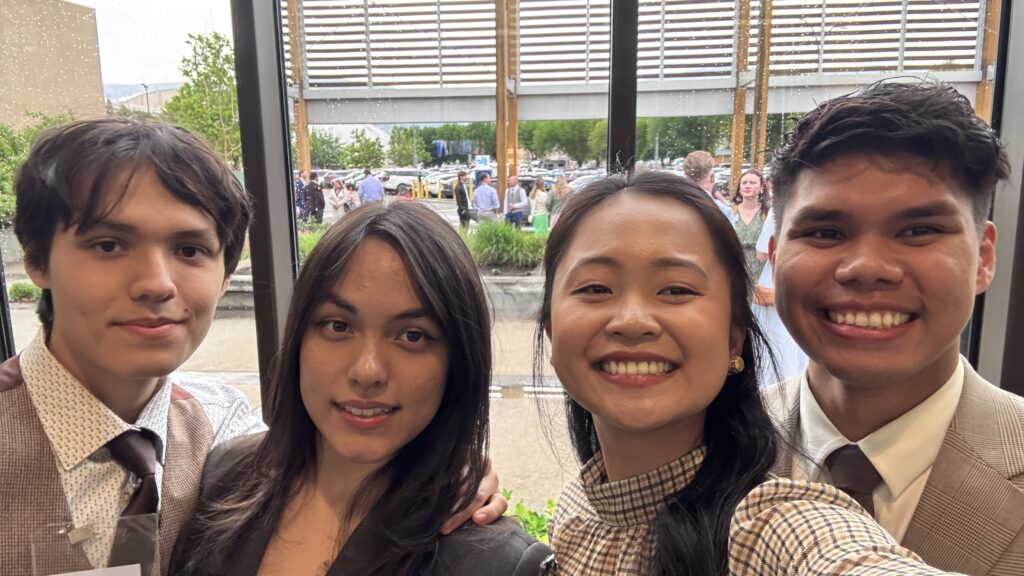
We are proud to recognize Mia Petersen as our June 2026 Member of the Month. Her story is not only about personal achievement, though there is much to recognize. It is also about what becomes possible when rural youth are trusted as partners.
Mia is helping point BCRHN toward a stronger youth voice in rural health. That voice can be provincial in scope, rooted in community, and focused on solutions. It can help us better understand what young people need today and what rural communities must build for tomorrow.
As this work grows, BCRHN looks forward to supporting Mia and other young leaders who want to help shape healthier futures for rural and remote communities across British Columbia.
We thank Mia for her leadership, her thoughtfulness, and her willingness to help open the door for other rural youth to be heard.