Tyler Olsen 30 Jun 2026 The Tyee
Tyler Olsen is a senior editor at The Tyee. He is based in Lillooet.
In Richmond, 90 is the new 80. But in the BC Interior, life expectancies are shorter than 20 years ago.
Residents of B.C.’s largest cities are living longer than ever — but their counterparts in the B.C. Interior are not.
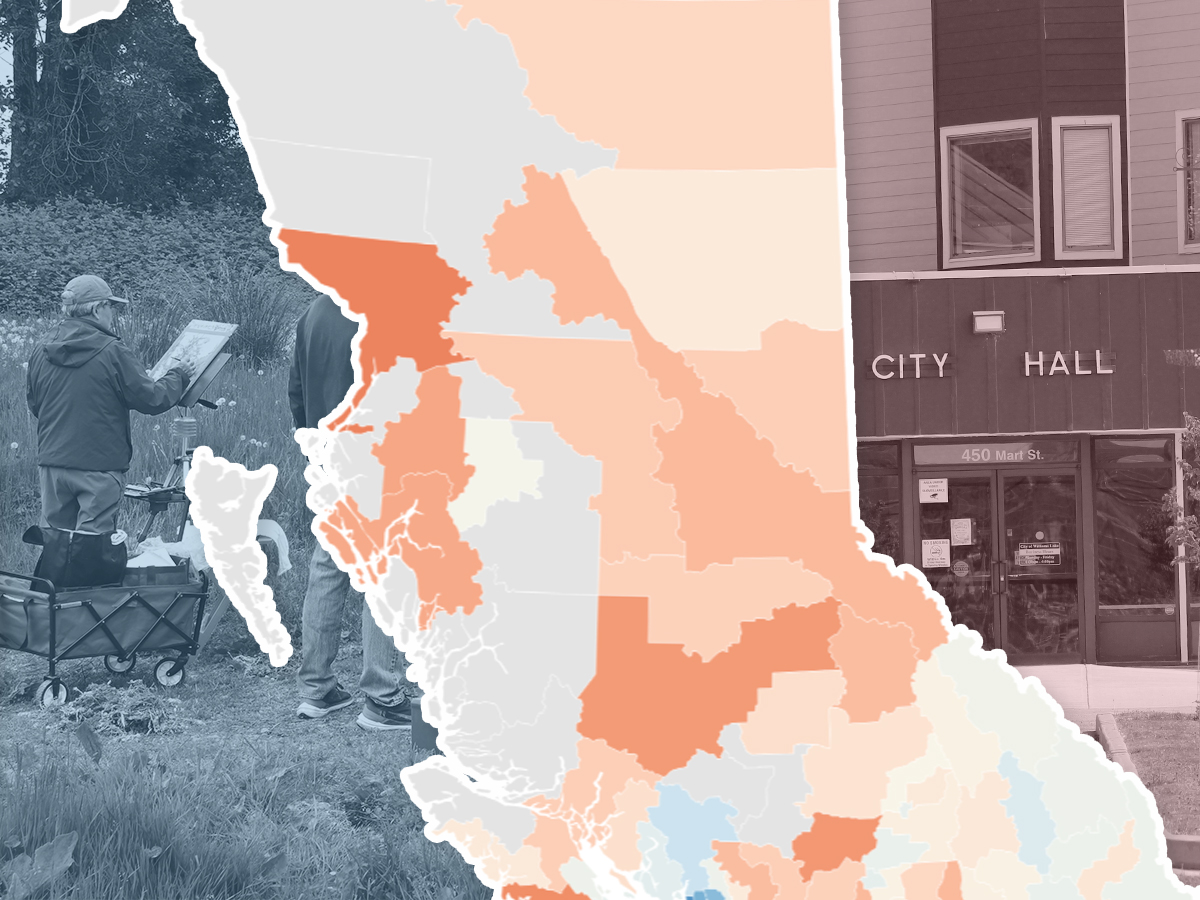
Twenty years of life expectancy data obtained by The Tyee reveals that the closer a community is to British Columbia’s largest cities, the longer its residents tend to live.
The data also shows that the life expectancy gap between B.C.’s most prosperous cities and its economically struggling areas is growing steadily larger.
In parts of Metro Vancouver, life expectancies are now approaching 90.
…
Proximity to health care, access to transportation
Paul Adams, the executive director of the BC Rural Health Network, said geography itself also plays a major role in community health.
Transportation barriers and the distance to health-care services provide unique and real obstacles for people living in rural areas, Adams said.
“Rurality, just geography alone and the lack of transportation, becomes a huge driver” of poor health, said Adams, a Princeton resident who has Parkinson’s disease. Before he was diagnosed, Adams had about 20 procedures done, he said. Those required considerable travel and had to be booked individually. For some people, that presents a major barrier.
“There’s no co-ordination happening on behalf of the patient; the onus is on the patient,” he said. “The patient may have mental health challenges and a variety of other issues to deal with, and whether they’re capable of actually co-ordinating and advocating for their own co-ordination of care is questionable most of the time.”
Other cultural and social challenges also exist, including a lack of understanding that Adams said he observes between city-based health authorities and people in rural areas. Media consumption habits and the decline of local journalism have aggravated these disconnects, he said.
“Most of the information rural communities are now receiving doesn’t come from local media outlets,” he said. Adams said the focus of large outlets on major cities and a decline of local media outlets often prompts residents of rural areas to fill their news deficit by consuming information from platforms such as Facebook, and sources that tout unscientific information about health issues such as COVID and vaccination. Governments and health officials, he said, have not figured out how to counter that.
“Government information often comes from a top-down perspective,” he said. “In rural communities, you have to reach them where they’re at, at the grassroots level. You have to find champions within community that are going to bring that information to them from the bottom up, and that has been a very difficult thing for government to get its head around.”