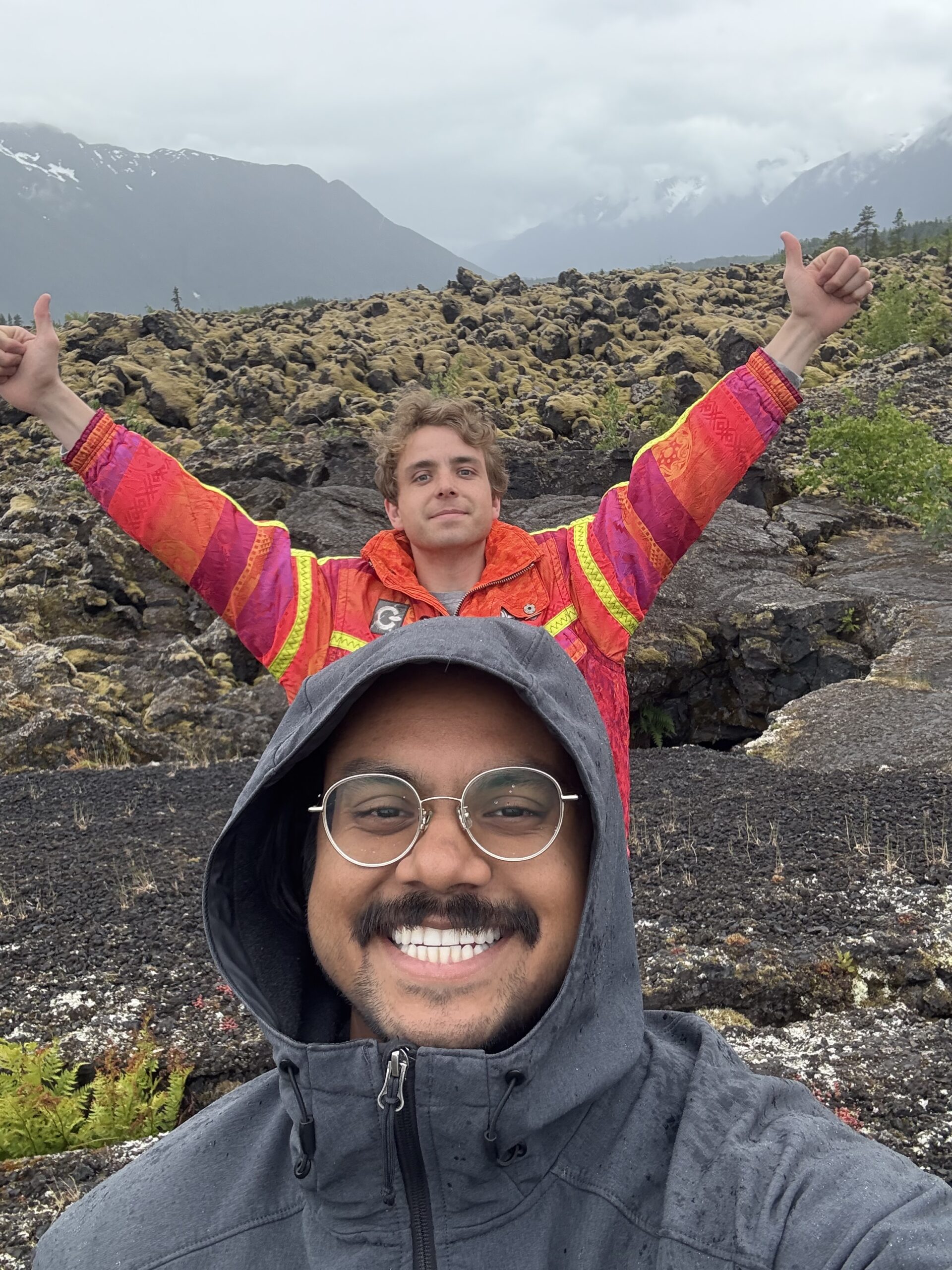
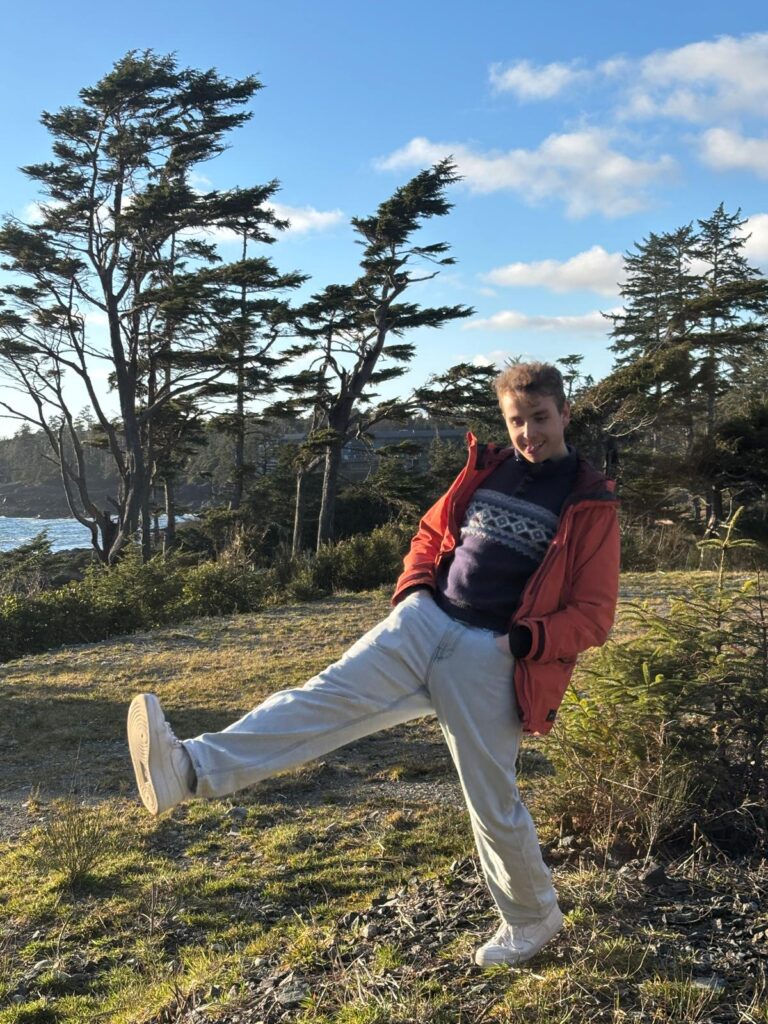
Welcoming Ankur Patel and Lakota Brown-Turcotte to the BCRHN Board
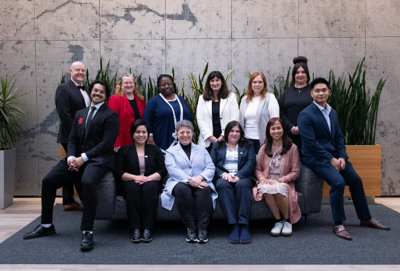
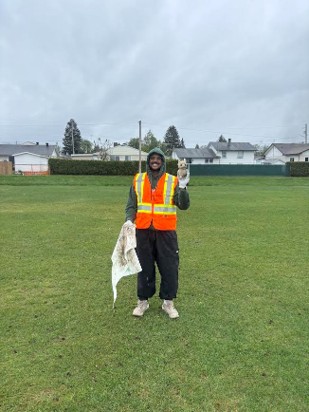
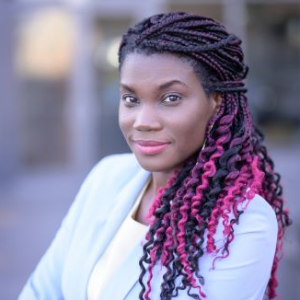
This month, the BC Rural Health Network is pleased to recognize two of the newest members of our Board of Directors, Ankur Patel and Lakota Brown-Turcotte. Both are based in the community of Kitimat, on the unceded homelands of the Haisla Nation, and both bring valuable new capabilities to our provincial team.
Ankur is a registered nurse with frontline experience and leadership involvement at the national and international levels. Lakota studied finance and worked in accounting before redirecting those skills toward community building, local development and youth wellness. Their backgrounds are different, but their purpose is closely aligned. Both understand that health is shaped by far more than clinical services, and both believe lasting change must be built with communities rather than delivered to them.
Kitimat: Capacity, Change and Community Connection
Kitimat is a community with strong local knowledge and people who care deeply about its future. It is also experiencing many pressures familiar across rural British Columbia, including healthcare recruitment and retention, youth mental health concerns, an aging population and a broad diversity of services.
Ankur and Lakota do not define Kitimat by what it lacks. They see a community rich in people, ideas, institutions and resources. The challenge is often not an absence of effort, but that valuable work is taking place in separate places that may be unseen. Healthcare providers, nonprofit organizations, schools, local government, employers and volunteers are all contributing. Greater impact becomes possible when those efforts are better connected to community members.
That is the work Ankur and Lakota are beginning to lead: creating further opportunities for people to meet, understand one another’s work and recognize the mutual benefit of collaboration.
Lakota Brown-Turcotte: From Accounting to Community Building
Lakota’s journey back to Kitimat was not a straight line. After spending part of his youth in the community, he lived in several other parts of British Columbia and completed a degree in finance. He once imagined a career in investment banking, then worked as an accountant. The experience gave him useful technical skills, but not the sense of purpose he wanted from his work.
His interest in macroeconomics and the forces shaping society gave him a broad view of the problems facing people and communities. It also produced a more personal question: what could he do that would create meaningful change?
The answer brought him back to the local level and eventually back to Kitimat.
Lakota returned as his family was working to strengthen youth mental health supports. Through his mother’s frontline experience, he understood the seriousness of the challenges facing some young people, including isolation, self-harm and suicidality. He also recognized that responding only after a young person reaches crisis is not enough. Young people need to feel seen, heard, respected and connected before that crisis occurs.
His initial work included helping increase awareness of Foundry Virtual BC and the free access to mental health and primary care resources available to young people. From there, his focus expanded to the wider conditions that shape youth wellness, including belonging, identity, education, recreation and employment.
Lakota now describes his role less as an accountant and more as a community builder. His financial background remains an asset. He understands investment, incentives, budgets and sustainability. He is now applying that knowledge to relationships, partnerships and community capacity.
Building Resilience in Times of Change
A central part of Lakota’s perspective is the need to build community resilience during periods of rapid change.
For him, resilience is not simply the ability to endure disruption or wait for help to arrive from somewhere else. It is the capacity of residents, organizations and local institutions to recognize their strengths, build trust and act together.
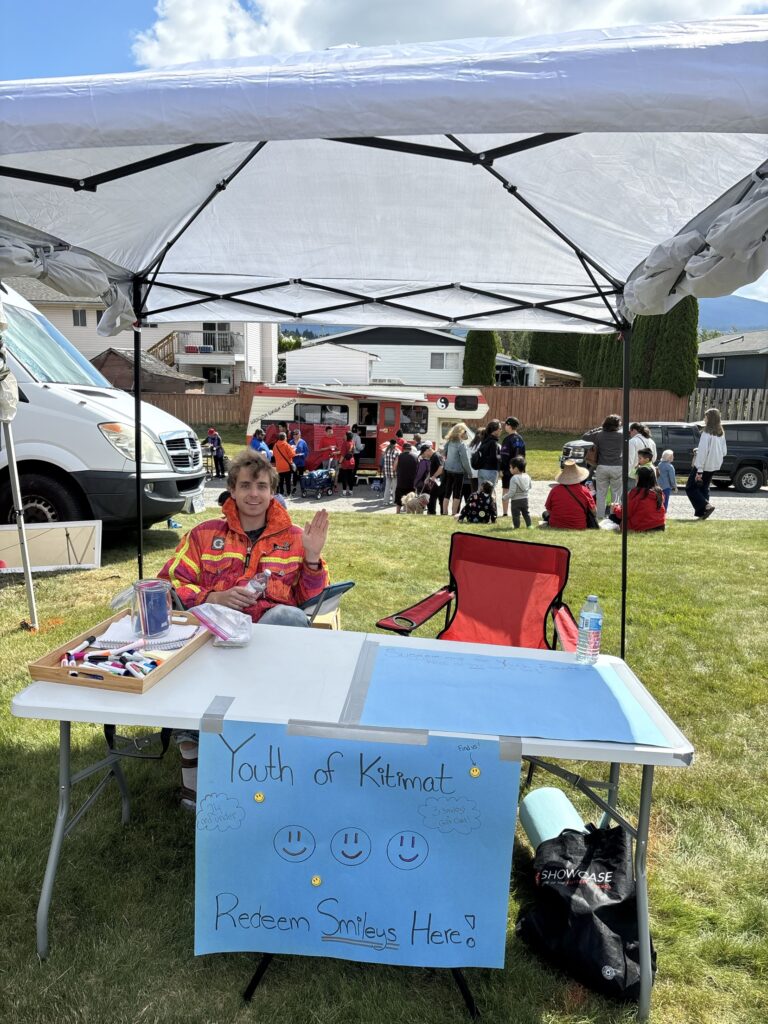
Kitimat already has many of the ingredients needed for resilience. The task is to make those assets more visible and connected. This includes exploring local career pathways, strengthening relationships between education and employers, and creating informal spaces where residents can meet and participate. Mobile youth activities, games, crafts, cooking and recreation may appear simple, but they create the trust and familiarity from which larger initiatives can grow.
Rural communities need equitable investment, reliable services and supportive public policy. At the same time, they should not have to wait for distant institutions to give them permission to use their own knowledge and solve problems together.
When people know one another, understand the resources around them and believe their contribution matters, change becomes something a community can influence rather than something that merely happens to it.
“We have far more agency than we have been led to believe. Community resilience begins when we recognize that capacity and use it together.”
Lakota Turcotte-Brown
Ankur Patel: Nursing Leadership Grounded in Community
Ankur brings a complementary perspective to the Board. Born in Toronto, he moved to Kitimat at the age of ten and experienced a rapid shift from a large urban centre to a small northern community. At the same time, he was living with severe pediatric asthma and had spent repeated periods in hospital.
Those experiences shaped his understanding of health, environment and place, while Kitimat’s neighbourliness helped the community become home.
Ankur completed his schooling locally and studied nursing in Terrace. His education included placements in Fraser Lake, Terrace and Smithers, helping him understand that each rural community has its own geography, services, relationships and workforce pressures.
His leadership expanded through involvement with the Canadian Nursing Students’ Association, the Canadian Nurses Association and the International Council of Nurses. Those roles gave him a broad view, but also prompted an important realization: it is possible to work on large systems while overlooking the neighbours immediately around us.
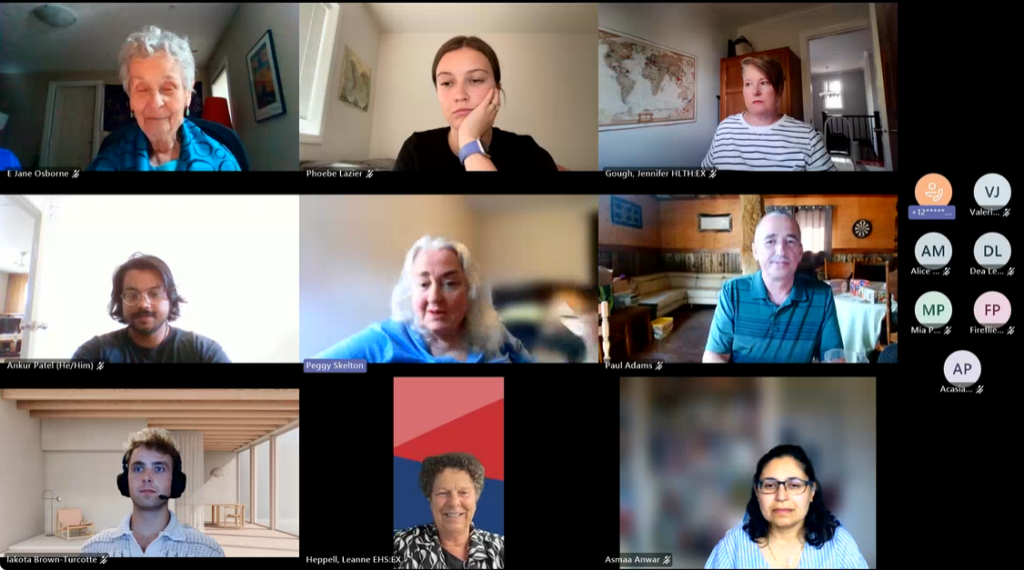
Through his work as a registered nurse in Kitimat, Ankur was seeing serious youth mental health concerns. His path converged with Lakota’s through a local working group focused on strengthening community resources and connecting young people with Foundry.
The work broadened Ankur’s understanding of community health. A young person’s crisis cannot be separated from family stress, housing, social isolation, economic conditions or gaps in local services. The same is true for seniors, parents, people experiencing substance-use challenges and healthcare professionals trying to serve an under-resourced system.
“Working at the human-to-human level, we can create immense change in our communities. How we interact with and care for one another is itself a determinant of health.”
Ankur Patel
Front line burdens to community action
Ankur speaks openly about the burden placed on health providers when other supports are missing. Loneliness, unstable housing, poverty and fragmented social services often arrive at the hospital door. Nurses and other providers then carry responsibilities no individual clinician can resolve alone.
His response is a wider concept of care, one that moves beyond team-based care toward neighbour-based care. In this view, health is supported not only by clinicians, but by families, friends, schools, community organizations, employers and the everyday relationships that help people feel they belong. This is near and dear to our organization, a network of champions!
For BCRHN, Ankur brings frontline clinical knowledge, governance experience and an ability to connect health with workforce development, the environment and the social determinants of health.
Building New Talent at BCRHN
Welcoming Ankur and Lakota is part of the continued growth and renewal of the BC Rural Health Network. Ankur adds the perspective of a rural registered nurse and emerging health-system leader. Lakota contributes financial literacy, systems thinking, community-development skills and a determination to turn concern into practical action.
Together, they represent the value of investing in new talent. They are not joining the Board simply to observe experienced leaders. They are bringing work already underway, asking difficult questions and helping shape the direction of the organization.
Their experience in Kitimat will have relevance far beyond one community. They are learning what encourages participation, what prevents organizations from collaborating and how existing community strengths can be amplified rather than replaced. The goal is not to impose a standardized model elsewhere, but to identify principles other rural communities can adapt to their own circumstances.
Making Change Meaningful and Fun
Ankur and Lakota also understand that community building cannot feel like one more obligation placed on already busy people. It needs to be meaningful, but it should also be enjoyable.
Games in the park, craft nights, cooking, music, youth-led activities and informal gatherings are not separate from serious community development. They create low-pressure opportunities for people to meet, exchange ideas and build trust. They help participation become part of everyday community life.
“Lakota hit it on the head. Make it fun. Make it enjoyable to interact and care with each other. Make it an everyday aspect of life. You have to be able to enjoy the process.”
Ankur Patel
People who enjoy being together are more likely to volunteer, care for one another and remain involved when challenges arise. Fun can open the door to connection, and connection is one of the foundations of resilience.
We are proud to welcome Ankur Patel and Lakota Brown-Turcotte to the BC Rural Health Network Board of Directors. Their skills are strengthening our organization, their work is building momentum in Kitimat, and their voices will help shape a more connected, resilient and community-driven future for rural health across British Columbia.
Their most important reminder may be that building a healthier future does not begin in a boardroom. Often it begins when neighbours gather, young people are given room to lead, someone brings out a game or a box of craft supplies, and a community rediscovers that creating change can also be fun!
Bringing Hospice and Palliative Care Closer to Home There are few experiences more universal than death, yet the way we experience dying, caregiving, grief and
Share your perspective on AI in health care. We’re seeking input from physicians and patients in rural BC about their experiences, opportunities, concerns and learning