Foundry BC Meeting Rural Youth Where They Are
This month, the BC Rural Health Network is pleased to recognize Foundry and Foundry Virtual BC as our Member of the Month. We thank Foundry BC for their leadership in integrated youth services, rural and remote engagement, and practical collaboration with communities across the province.
Across rural and remote British Columbia, young people often navigate a health system that was not built with their lives in mind. Distance, transportation, provider shortages, privacy concerns, limited youth spaces, and the reality of being far from specialized services can turn a search for help into a long and discouraging journey.
Foundry is widely known for its youth-friendly centres across BC, but its work is larger than a physical doorway. It brings together five key areas of support for young people ages 12 to 24 and their caregivers: physical & sexual healthcare, mental health, substance use health peer support, and work, education, and community services. The goal is simple and powerful: to transform access to care.
From Urban Roots to Rural Adaptation
During our interview, Acasia Preston, Leader of Service Implementation and Integration with Foundry Central Office, described how Foundry has grown from its early integrated youth services roots into a provincial network of centres in operation and development, with Foundry Virtual BC adding a province-wide virtual service.

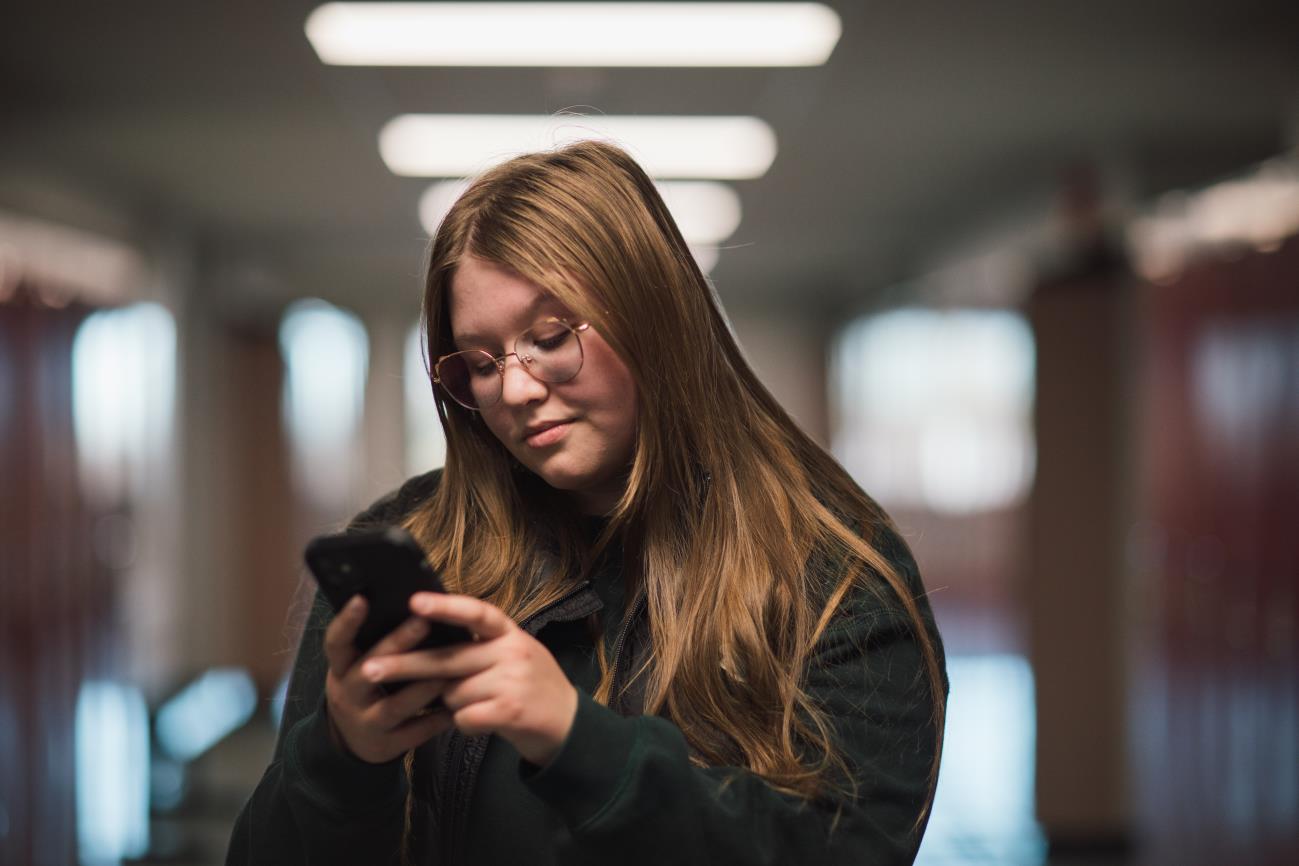
In smaller communities, Foundry may be the only dedicated youth resource. Young people may come not only for an appointment, but for belonging, peer connection, recreation, wellness programming, cultural connection, or simply a safe place designed with them in mind.
“Rural communities do not always have the numbers that traditional systems look for, but they have young people who deserve the same access, dignity, and support as youth anywhere else in BC.”
Acasia Preston
In many rural communities, health access begins long before a formal appointment. It begins when a young person recognizes that a service is meant for them, when they trust the people offering it, and when they can access help without stigma, excessive travel, or having to retell their story over and over again.
Foundry Virtual BC: A Province-Wide Doorway
Foundry Virtual BC launched in 2020 and provides free virtual mental health and wellness services to young people and their caregivers across British Columbia. Through the Foundry BC app and web platform, young people can access information, tools, resources, and providers by video, audio, or chat.
Julia Hayos, Operations Lead with Foundry Virtual BC, and liaison to the BCRHN board of directors, emphasized that virtual care is not intended to replace local services. Its strongest role is to complement what exists on the ground and help fill gaps where services are limited or unavailable. Foundry Virtual BC supports young people in communities without a Foundry centre and can also serve as a first point of contact for youth who may later feel more comfortable walking through the doors of an in-person centre.

This is especially important in rural regions. Julia noted that when Foundry Virtual BC looks at access rates adjusted for population, the highest use is now in the North, followed by Vancouver Island and the Interior. This suggests virtual services are beginning to find a meaningful place in rural and geographically dispersed systems of care.
Foundry’s rural and remote work is perhaps best understood through the voices of young people themselves. In Keira’s Story, filmed in connection with the Northern Rockies and Fort Nelson experience, Keira speaks to the isolation, identity, privacy, and belonging challenges that can shape youth wellness in smaller communities. Her story shows why virtual care must be more than technology. It must help young people feel seen, heard, and connected to real support.
Collaboration Through a Rural Lens
One of the strongest points of connection between Foundry and BCRHN has been Foundry’s rural and remote Community of Practice. BCRHN has participated in this space because it reflects the best of rural collaboration: people from different communities and roles coming together to share frustrations, successes, resources, and practical solutions.
For BCRHN, this collaboration also strengthens policy development. The Community of Practice helps surface what is happening in real communities: where youth are struggling, where virtual supports are working, where transportation and service gaps remain, and where provincial policy needs to become more flexible.

Equity, Trust, and Prevention
A recurring theme in the interview was the importance of lived experience and equity. Foundry’s model consistently engages youth and family advisories, ensuring that young people and their caregivers help shape the design, accessibility, and ongoing direction of services. Foundry also uses demographic data and community feedback to identify who may not be accessing services and where outreach needs to change.
This is particularly important for Indigenous youth, racialized youth, 2SLGBTQIA+ youth, young men, and others who may not automatically see a health space as safe or meant for them. Acasia spoke about the importance of outreach: going into schools, libraries, community spaces, and places where young people already feel comfortable, rather than expecting everyone to walk through a door.
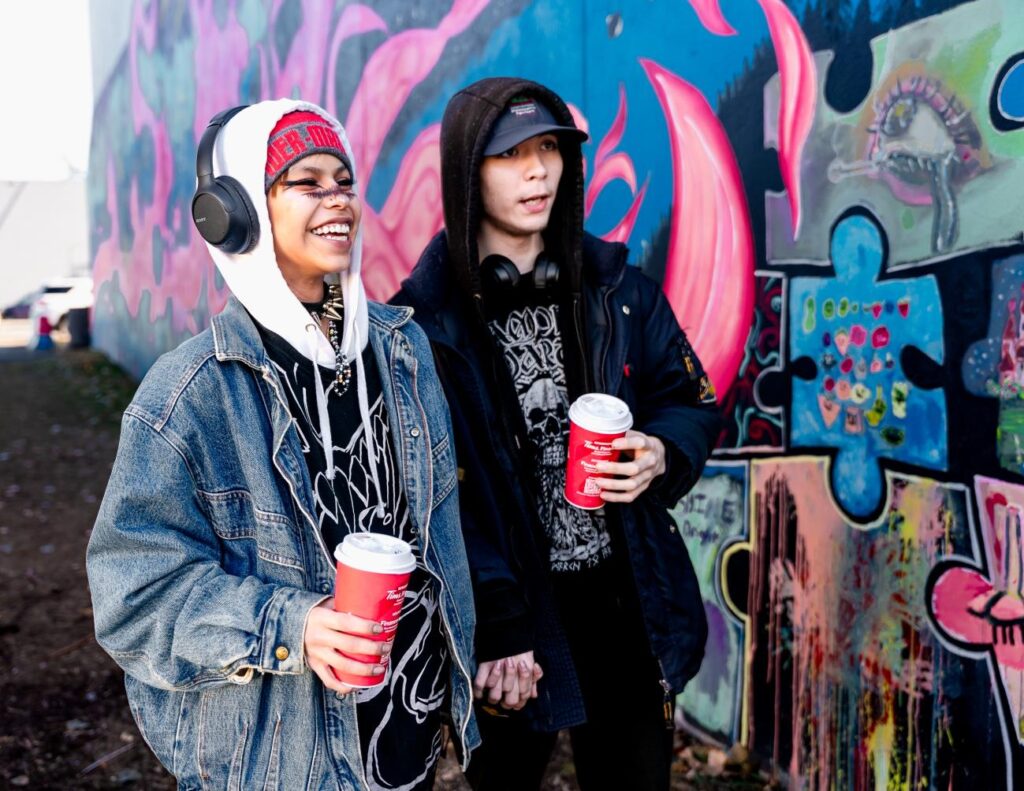
Rural BC is seeing rising concern about youth mental health, visible homelessness, family stress, school threats, and the compounding effects of social and rural determinants of health. Foundry cannot solve these challenges alone, but it does have strengths rural communities need: bringing youth voices, caregiver voices, service providers, and partners together around complex problems.
One example of Foundry’s prevention and early intervention work reaching schools is their implementation support for the PreVenture Program®, an evidence-based mental wellness initiative for youth ages 12 to 18. Foundry’s supports enable schools to deliver the program, through which youth develop a better understanding of themselves and build practical skills for coping and goal setting. Youth can also be connected to Foundry centres or Foundry Virtual BC when more support is needed.
Funding, Integration, and the Next Chapter for Foundry
Foundry centres bring together systems partners to co-locate and integrate existing services. Base operational funding through the Province of BC helps fill remaining gaps. This funding typically supports centre operations and service delivery, including coordination, space, technology, and staffing. The Province also provides targeted funding to support specific program areas. That stability gives local lead agencies a stronger foundation than many community-based service models have. Centres often augment services with additional funding streams, local partnerships, and community fundraising to bring the full model together and tailor programming to unique local needs.
Foundry’s goal is for young people to experience Foundry as one coordinated place to get help, and this centring of youth highlights the need and opportunity for systems and funders behind that care to work together to reduce fragmentation.
That is what makes Foundry both promising and instructive for rural health. It shows what becomes possible when core funding is paired with local partnerships, but it also reveals the ongoing challenge: communities are working to better integrate services on the ground while systems, funding streams, and reporting structures often remain separated. For BCRHN, this is an important lesson for any future rural health hub model.
The future of rural youth wellness (and wellness for all demographics) will likely depend on hybrid models: some services in person, some virtual, some mobile, and some embedded in trusted community spaces such as schools, libraries, clinics, and social service organizations.
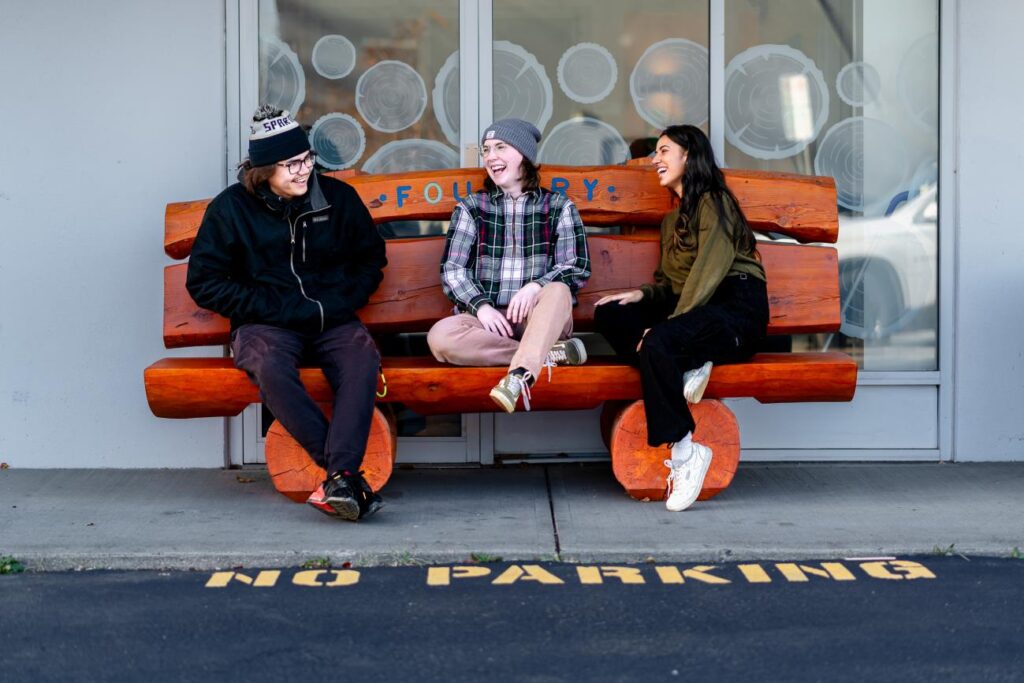
Foundry is already exploring this direction. Acasia pointed to pilot work in the Kootenay Boundary region that is testing how outreach, mobile services, access points, and existing low-barrier community spaces can work together. Instead of beginning with a large physical centre, the model asks how Foundry principles can be adapted to the places where young people already are.
Julia described a similar aspiration: a rural Foundry concept that works alongside and learns from communities around innovative ways to offer virtual services and meet the unique needs of rural communities.
“Our hope is to bring virtual services and local supports together, so young people feel safe, supported, and wrapped around by their community.”
Julia Hayos
Why This Partnership Matters
BCRHN’s relationship with Foundry matters because both organizations are asking a similar question: how do we build systems that are responsive to rural reality rather than forcing rural people to fit urban models?
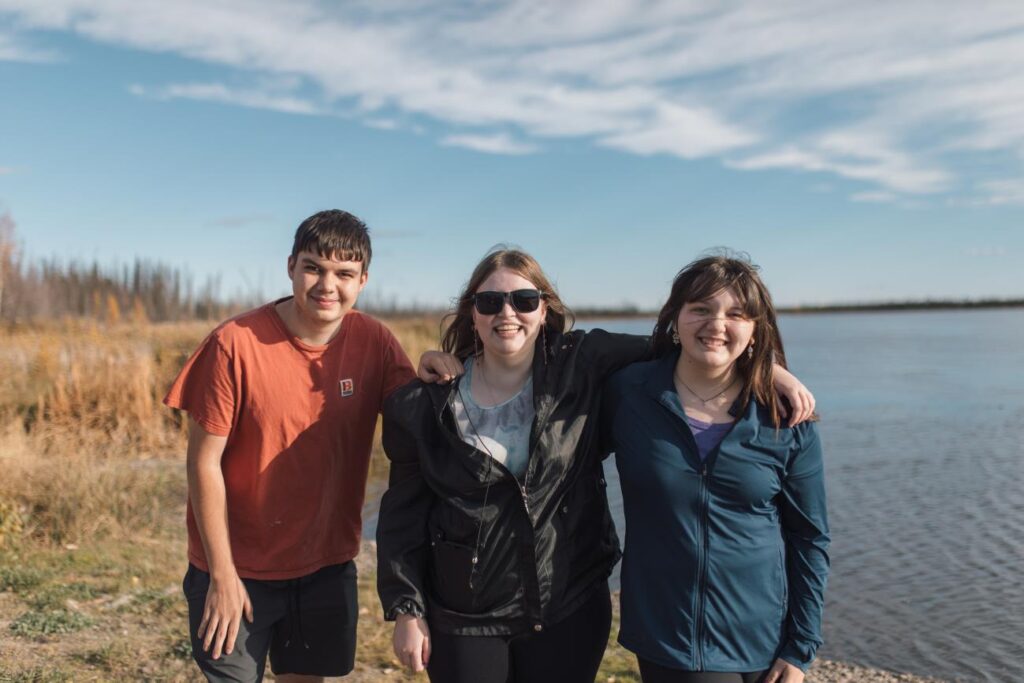
Foundry brings a proven integrated youth services framework, virtual infrastructure, youth and caregiver engagement, and a growing rural and remote lens. BCRHN brings province-wide rural relationships, grassroots intelligence, policy experience, and a deep understanding of how service gaps play out in communities across BC.
Together, there is a strong opportunity to advance models of care that are practical, community-led, and scalable: models that combine local trust with provincial reach; in-person care with virtual support; youth voice with system accountability; and rural lived experience with policy change.
For young people in rural and remote BC, that collaboration is not abstract. It can mean connecting with someone after school hours. It can mean accessing counselling without travelling eight hours. It can mean a local youth space where they feel they belong. It can mean not having to navigate the system alone.
That is why BCRHN is proud to recognize Foundry and Foundry Virtual BC as our Member of the Month. Foundry’s work reminds us that rural youth wellness is not only about creating more services. It is about creating better-connected systems, stronger relationships, and care pathways that meet young people where they are.
To learn more about Foundry centres, Foundry Virtual BC, youth resources, caregiver supports, and the Foundry BC app, visit foundrybc.ca.