Bringing Hospice and Palliative Care Closer to Home
There are few experiences more universal than death, yet the way we experience dying, caregiving, grief and bereavement is profoundly personal. Where we live, who surrounds us, our culture, spirituality, family relationships and access to care all shape that journey.
For rural and remote British Columbians, geography adds another dimension. The question is not simply whether good hospice and palliative care exist somewhere in the province. It is whether people can receive that care where they live, surrounded by the people and community they know.
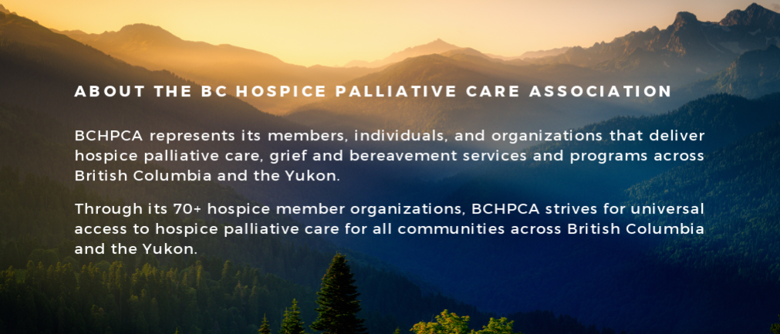
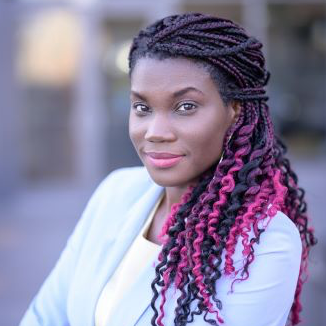
That is one of the reasons the BC Rural Health Network is pleased to feature Pablita Thomas and BC Hospice and Palliative Care Association as our Member of the Month.
Pablita’s journey into healthcare began early. Her mother was a nurse for approximately 30 years, first in Guadeloupe in the French Caribbean, where Pablita was born, and later in Canada. Much of her mother’s career was spent in long-term care, exposing Pablita from childhood to both the importance of healthcare and the gaps that patients, families and healthcare workers encounter.
Pablita lived in Guadeloupe until she was 11 before moving to Toronto. She later returned to the Caribbean to attend medical school, in part because she wanted exposure to different cultures and different approaches to healthcare. During her fourth year, while studying in Dominica, an encounter with a patient with cancer receiving palliative care changed her perspective on end-of-life care.
Eventually her career took her into health policy, Indigenous health research and a decade of work with the Ministry of Health before bringing her west. Six years ago, that path led her to hospice and palliative care work in British Columbia.
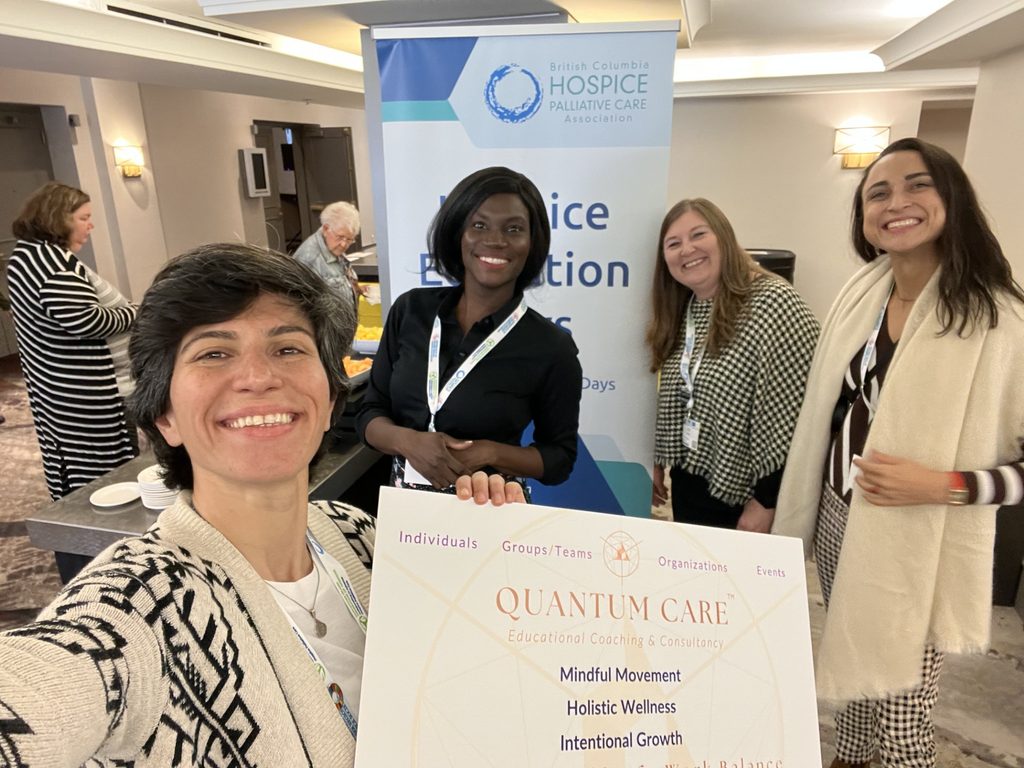
For Pablita, good hospice and palliative care begins with a deceptively simple question: what does good care look like to the person receiving it?
It means care that is accessible and close to home. It means receiving support within a community where a person feels comfortable. It includes clinical care and pain management, but also cultural, spiritual and caregiver supports. Just as importantly, it means recognizing that the patient and those closest to them should retain autonomy over the decisions affecting their lives.
That definition has particular significance in rural British Columbia.
Hospice is more than a building
When many people hear the word hospice, they picture a building with dedicated beds. Pablita says the reality in British Columbia is much broader.
Many hospice services are delivered not within stand-alone 24-hour facilities, but by organizations working throughout their communities. Care may take place in a person’s home, in assisted living or long-term care, and in some cases even in shelters. In rural and remote communities, this community-based model can offer a much more practical, accessible and culturally appropriate way of supporting people across large geographic areas.
This matters because building an urban-style facility in every small community is neither realistic nor necessarily desirable.
The better question may be: How do we bring hospice and palliative care to the person rather than requiring the person to travel to the system?
That leads naturally to team-based care.
Pablita sees considerable opportunity to strengthen the palliative-care knowledge of healthcare providers and community partners who are already present in rural communities. A nurse practitioner may be the primary healthcare provider in one community. In another, a physician, nurse, allied health professional or Indigenous midwife may play an important role.
Training these existing providers in a palliative approach could allow people to remain connected with practitioners they already know rather than automatically being referred away from their community.
Pablita points to Indigenous midwifery and the concept of supporting people through the full circle of life, from birth through death. Her larger argument is that palliative care should not be viewed simply as a specialty that appears at the very end of someone’s healthcare journey.
“The palliative approach to care should be embedded within our health care system and our educational system.”
That idea has important implications for rural healthcare.
If palliative knowledge is embedded across primary care, Community Health Centres, nursing, nurse practitioner practice, allied health and other community-based services, rural communities gain capacity without needing to recreate the infrastructure of a major urban centre.
Technology can help, but it cannot replace presence
Virtual care has created new opportunities for rural and remote healthcare, particularly where distance makes specialist access difficult.
Pablita believes virtual hospice and palliative care have an important role. Specialist consultations can be delivered virtually. Bereavement support can take place by telephone or video. Healthcare workers in isolated communities can connect with additional expertise that would otherwise require significant travel.
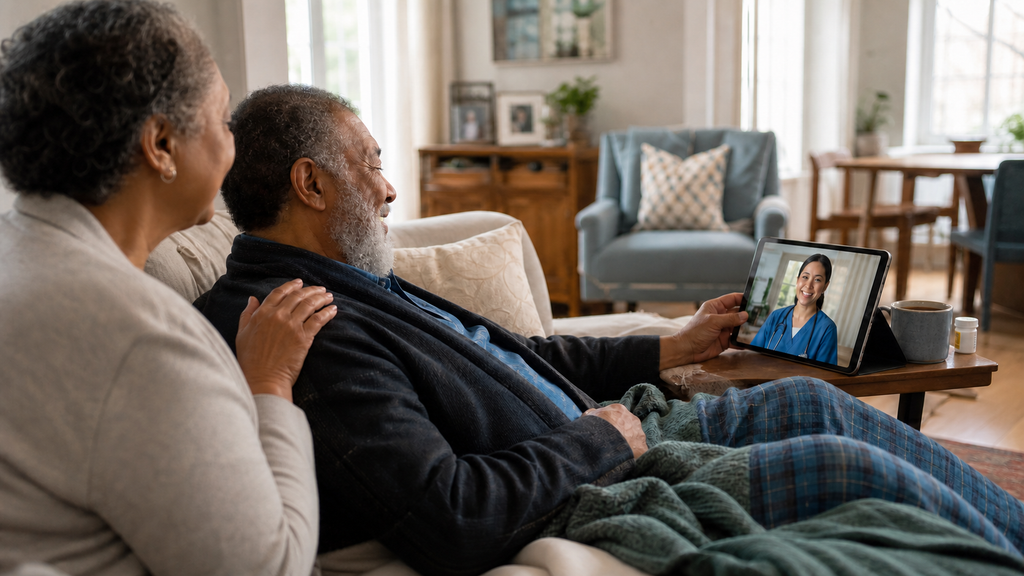
But she cautions against treating virtual care as a replacement for people.
End-of-life situations can change quickly. Families can move from feeling confident to being in distress within hours. Clinical needs are important, but so are touch, presence, reassurance and human connection.
For that reason, Pablita sees virtual services as supplementary rather than the primary form of care, accompanied wherever possible by local practitioners, community providers, elders, healers, midwives and others who can provide care in person.
It is a useful distinction for rural healthcare generally. Technology can overcome distance, but it should strengthen locally delivered care rather than become a justification for removing it.
Culture, spirituality and learning from Indigenous communities
Our conversation moved naturally from geography to culture.
British Columbia’s diversity means there can never be a single definition of what a good death should look like. This is particularly important when working with Indigenous communities, where ceremony, relationships, land, spirituality and traditional knowledge may be fundamental to the experience of dying and death.
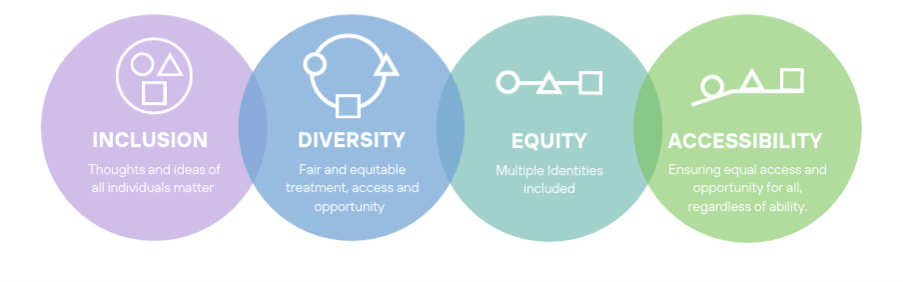
Pablita believes the health system has much to learn from Indigenous communities. She argues that modern healthcare can lose some of the spiritual dimension of caring for people at the end of life, while Indigenous traditions have maintained a much more integrated understanding of the full cycle of life.
Her own experiences in Dominica reinforced that perspective. During her medical education, she encountered an Indigenous model in which cultural knowledge was incorporated directly into hospital education. That experience stayed with her when she returned to Canada.
For Pablita, Indigenous knowledge is not something healthcare should merely accommodate after a system has already been designed. It provides lessons about person-centred care from which the entire healthcare system can benefit.
That distinction is important.
Cultural safety cannot mean creating one standardized “Indigenous” approach and applying it everywhere. British Columbia alone is home to more than 200 distinct First Nations, each with its own traditions, relationships and knowledge. Person-centred care requires us to listen first and design care around the people and communities receiving it, rather than expecting communities to adapt themselves to a uniform healthcare model.
Community care is healthcare
Perhaps the strongest theme of our discussion was the artificial separation between healthcare and community care.
Pablita would like decision-makers to better understand where hospice, palliative and other community services fit within the healthcare continuum.
Death and dying, she points out, is something every one of us will eventually experience, yet hospice and palliative supports are not consistently available to everyone. She believes end-of-life care needs to be understood as part of the continuum of healthcare rather than as an optional addition sitting outside it.
The problem becomes especially visible when community services are unavailable.
A person who could potentially receive appropriate palliative care at home may instead remain in an acute-care setting because adequate community support does not exist. The hospital bed is then occupied not because it represents the best place for that person’s care, but because the system has nowhere else for them to go.
Pablita sees the same structural problem affecting long-term care, people experiencing homelessness and many other populations.
Her argument is not that acute or primary care should receive less attention. It is that underinvestment in community services ultimately drives more people into expensive acute-care environments.
“We’re just not investing enough in community care supports where people are accessing those services.”
For rural communities, the implications are significant.
Small investments in a community organization, hospice society or locally integrated team may have impacts far beyond hospice care alone. They can support caregivers, reduce unnecessary hospital utilization, improve navigation and allow people to remain within their community.
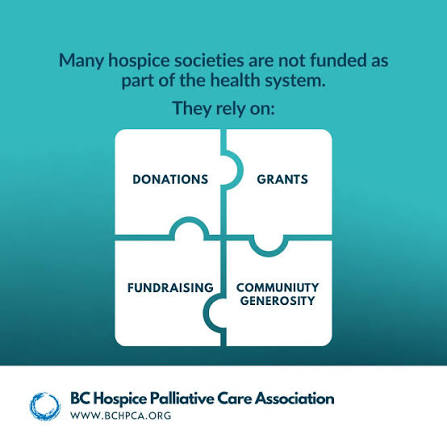
Pablita also sees a need for greater integration across government. Healthcare does not exist independently from housing, food security, mental health, education and the other determinants that shape people’s lives.
She points to the relationships already created by community and non-profit organizations throughout British Columbia as an underused asset. These organizations are often the knowledge keepers and connectors within their communities. Government does not necessarily need to recreate those networks. It can learn how to better support and leverage them.
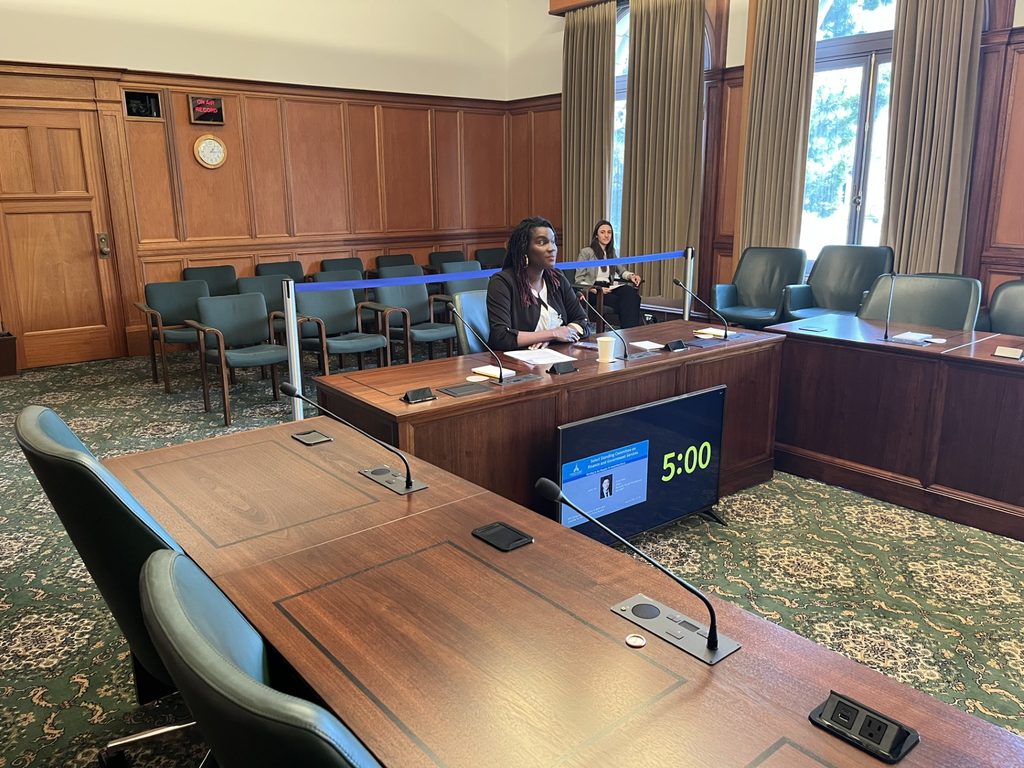
Reasons for hope
Despite the challenges, Pablita remains optimistic. Much of that optimism comes from younger generations. She sees younger people as compassionate, increasingly comfortable talking about grief and bereavement, and willing to challenge systems that are not working.
Someone may not know what “hospice palliative care” means, she says, but ask whether they have ever lost someone they loved, or even a beloved pet, and the conversation immediately becomes understandable. Grief is one of those human experiences that cuts through terminology.
Pablita believes that connection provides an opportunity to create a future in which hospice and palliative care is more accessible and more human-centred.
“I think the future will change for hospice palliative care,” she said. “I think it will grow in a way that it will be accessible to everyone.”
And when asked what she most wants people to understand about her field, Pablita offered perhaps the simplest and most important message of our conversation:
“Hospice palliative care is not about dying. It’s about living your full life until you pass.”
Outside of work, there is also a lighter side to Pablita. She says she laughs about almost everything and credits her younger brother with keeping her grounded. His willingness to remind her that she does not know everything, usually very directly, brings equal parts humility, laughter and joy.
Perhaps there is something fitting in that too.
Hospice and palliative care ask us to confront one of life’s greatest certainties while remembering that the purpose is not to focus solely on death. It is to support people to continue living, connecting, laughing, loving and belonging for as long as they possibly can.
For rural British Columbians, the challenge before us is ensuring that where someone lives does not determine whether they have access to that experience.
And as Pablita reminds us, some of the solutions may already exist within our communities. Our work is to recognize them, support them and build a healthcare system capable of meeting people where they are.