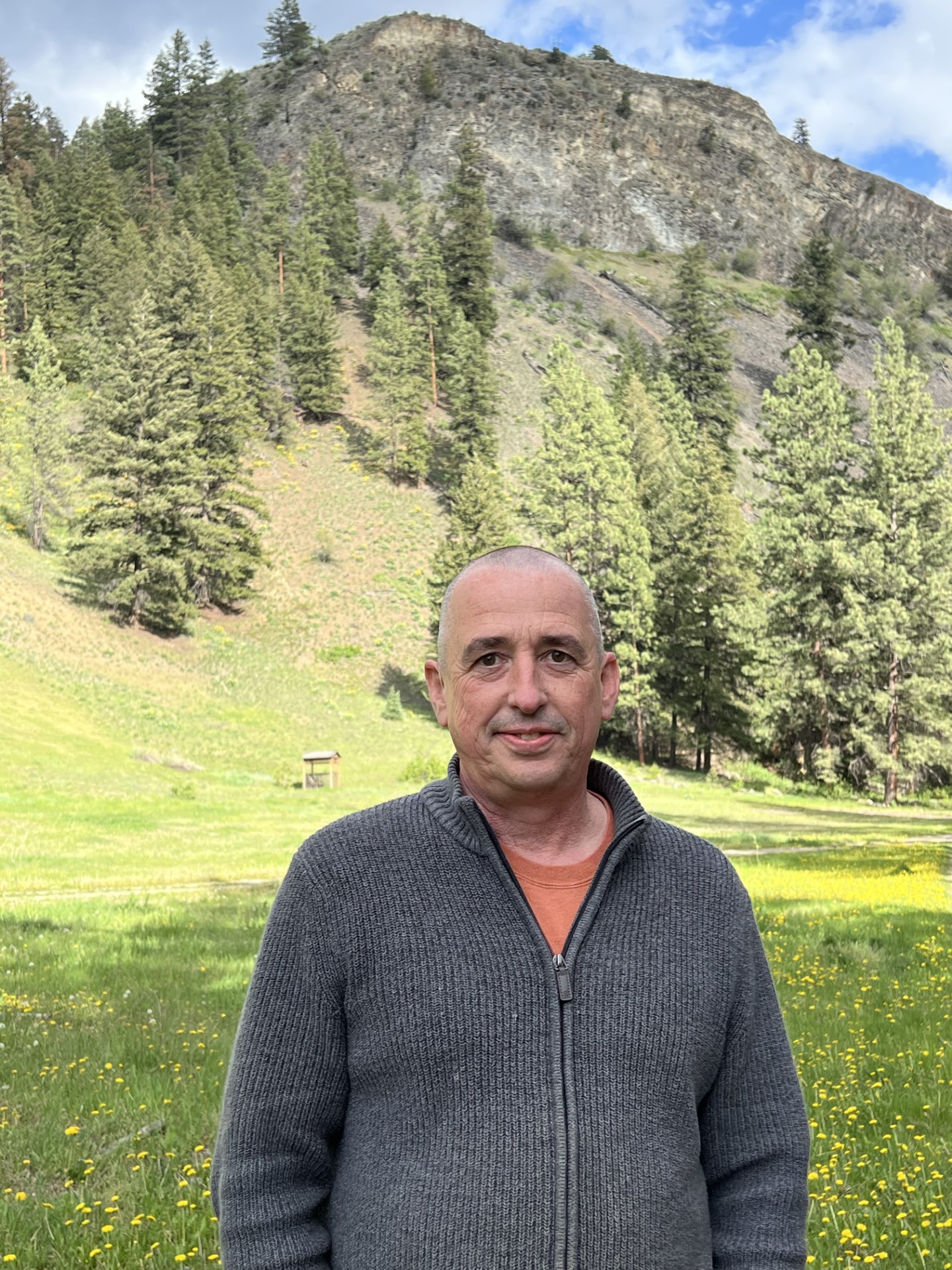
Why I Do This Work
For me, rural health advocacy has never been about praise, recognition, or personal achievement. It has always been about connection: connection to people, to place, to lived experience, and to the decisions that shape whether communities are able to survive and thrive.
But I also believe that stories matter. If we want decision makers to understand rural health, we need more than statistics and reports. We need to speak honestly about the lives, histories, and experiences that bring people to this work. This is part of my story.
I came to Canada with my family in the early 1980s. We arrived with little understanding of what Canada would become for us, or how deeply this country would shape my life. I grew up outside Liverpool, England, in a privileged white family. My father was a physician, and my mother was a teacher. Both gave their lives to service in different ways.
My father went directly from high school into medical school and became a general practitioner in his early twenties. He practised medicine for 50 years and is now retired at 87. My mother, now 81, was a teacher and the matriarch of our family of five siblings. More than anything, she made sure that we, our children, and now our grandchildren received the most important gift a family can give: love.
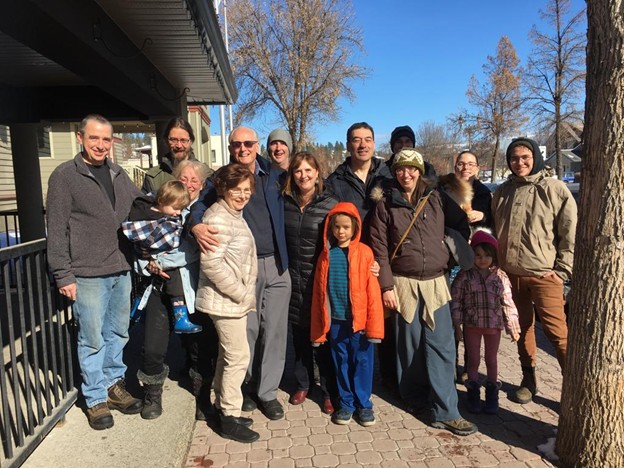
I am deeply grateful for my parents. They are incredible people who have spent their lives giving to others. At the same time, my British roots also gave me an early awareness of colonial systems and institutions, and of the harm that can be done when power presents itself as proper, correct, and beyond question. I learned that good people can exist inside systems that still cause harm. That lesson has stayed with me.
From a young age, I also felt a strong connection to land, nature, and wildlife. In some ways, I was the black sheep of the family: the one drawn outdoors, the one most at home in wild places, and the one who found meaning through rivers, forests, animals, and the quiet lessons of the natural world. That connection to land became one of the threads running through my life.
As a young person, I spent years finding my own way. My path was not straight. I moved through different careers, learned through experience, and gradually came to understand that the work that mattered most to me was work connected to people, place, fairness, and accountability.
In my late twenties, I returned to my parents’ community of Princeton, British Columbia, to start my own family and to create a new medical office for my father, Vermillion Medical Centre. That was my first real introduction to the challenges within the medical system and to the inequities many people faced in receiving care and being heard on their health journey. This was also the start of my advocacy journey as I worked alongside my dad fighting for rural healthcare services during some very challenging times for healthcare in the late 90s and early 2000s.
It was one thing to grow up with a physician as a father. It was another to see, up close, how difficult health care could be for people trying to navigate the system from a rural community. I began to understand that access was not just about whether a service technically existed. It was about whether people could reach it, trust it, afford it, and be listened to when they needed help.
During that period, I also became a father to two sons. Parenthood changed me, as it does. It deepened my sense of responsibility and sharpened my understanding that communities are built around the hopes we hold for our children.
I moved from management into ownership and started my own outdoor adventure and fly-fishing guiding business. I also taught outdoor recreation education. Those passions eventually led me into conservation work, where I took on a role connected to both the BC Government Ministry of Environment and the BC Wildlife Federation.
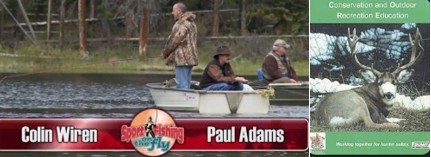
I led Conservation Outdoor Recreation Education Program, overseeing hundreds of examiners and educators across British Columbia, and worked to rebuild accountability within that program. I also partnered in the creation of the BC Conservation Corps. Under the mentorship of longtime politician, advisor and advocate Tony Toth, I learned how the political system worked, not from a textbook, but through direct experience. Upon Tony stepping down, I became Executive Director of the BC Wildlife Federation.
That work took me to Victoria often, but it also took me across rural and remote British Columbia. I saw communities that were strong, resourceful, and deeply connected to the land. I also saw how often rural realities were misunderstood by those making decisions from a distance.
From there, my career moved into the commercial side of environmental work, government liaison, bioenergy, and clean technology development. For more than 20 years, I drove back and forth between my home base in Princeton and Vancouver, serving on boards, sitting on leadership teams, and continuing to work directly with government.
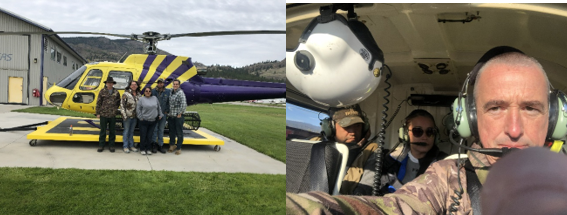
Those years taught me a great deal about power: how it is used, how decisions are made, and how easily people can be left out of the room.
More than 20 years ago, I met my now wife and best friend, Leanne. I brought Leanne and her daughter Kristy from Langley to Princeton, and through that experience I learned again how different rural life can be depending on where you come from. Her daughter, raised in the Lower Mainland, experienced rural life differently than my sons, who had grown up in rural BC. That opened my eyes in new ways to identity, belonging, geography, and the assumptions we make about what people need to feel safe and supported.
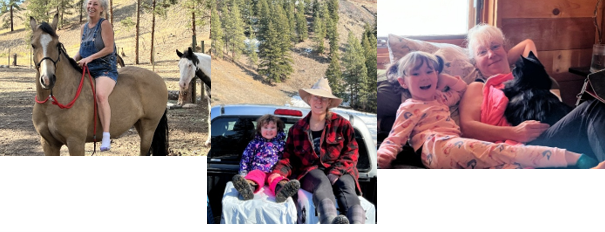
By 2016, our children had all left home, and my sons moved to Northern Vancouver Island where my eldest works with neurodivergent youth and my youngest is graduating nursing school as an RN this summer. Our daughter had also left home after graduation but returned to the Upper Similkameen to raise her family with her husband, who is now a millwright at our local sawmill, while Kristy works for the school district as an Indigenous Liaison for our youth. They have also brought us the most precious gifts of our life, two beautiful granddaughters (and a pretty cute granddoggy)!
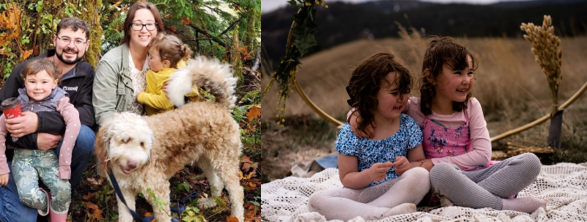
All these experiences have shaped me. Then, in 2017, Leanne and I reached a point where we had enough of the rat race and the power struggles that exist in both the corporate and political worlds. We wanted to return to the land and simplify our lives. Together, we created Frenchy’s Farm Fresh.
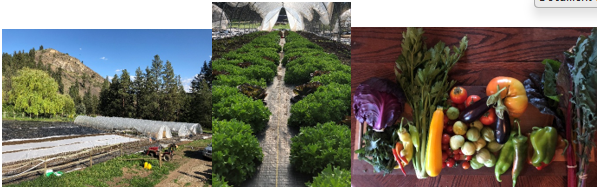
That work became a passion. It connected me back to the land in a very direct way. But like many small producers, we faced challenges beyond our control. The pandemic brought restaurant closures and farm market suspensions. Then, in 2021, I broke my leg in a farming incident and could no longer continue the work in the same way.
Reluctantly, I returned to working behind a desk.
That is when I began my work with the BC Rural Health Network.
At the time, we were a small group of 20 to 30 nonprofit organizations that had come together to prevent local hospital closures and to save our health care. What I found was not just an organization. I found people who were carrying the same concerns I had seen throughout my life: people trying to be heard, communities trying to protect essential services, and rural residents asking for fairness.
Over the past five years, that small group has grown into a truly pan provincial organization. The work has grown because the need is real. Rural people across British Columbia are facing challenges that cannot be solved by pretending geography does not matter.
For me, rural health is personal. It is connected to my father’s life in medicine, my early experience building a rural medical clinic from the ground up, recruiting and retaining physicians, and building team-based care before that language became common. It is connected to my years travelling across BC, my family, my relationship with the land, my understanding of systems, and my own lived experience of injury, change, and vulnerability. Now, as a Parkinson’s patient, I am on another journey that deepens my understanding of health care, uncertainty, and the importance of being seen as a whole person.
I do not share this story because I believe it is unique. I share it because I know it is connected to many others.
Rural health is about the senior who cannot drive to an appointment. It is about the family travelling hours for care. It is about the young person waiting for mental health support. It is about Indigenous people whose experiences with health systems are shaped by histories of colonial harm. It is about communities trying to hold onto services that others may take for granted.
My hope is that by sharing my journey, others will see themselves in it, and that decision makers will better understand that rural health policy is not abstract. It is about dignity, fairness, and whether people can remain in the communities they love.
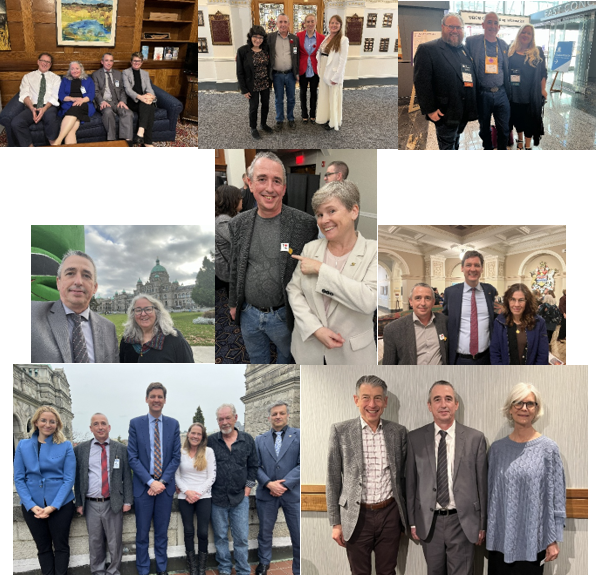
This work is not about me. It is about all of us.
For that reason, this month’s Members of the Month are all the individual members who volunteer their time, share their experience, support their neighbours, and help carry this work forward. They are the heart of what we do every day.