By Paul Adams, Executive Director, BC Rural Health Network
The Youth Wellness Society of Mackenzie recently invited me as a panelist at the Mackenzie Mental Health Summit. Jesse Wright, the founding president was moderating the panel and had asked me to attend in his early planning of the event.
One question started an unexpected chain of events
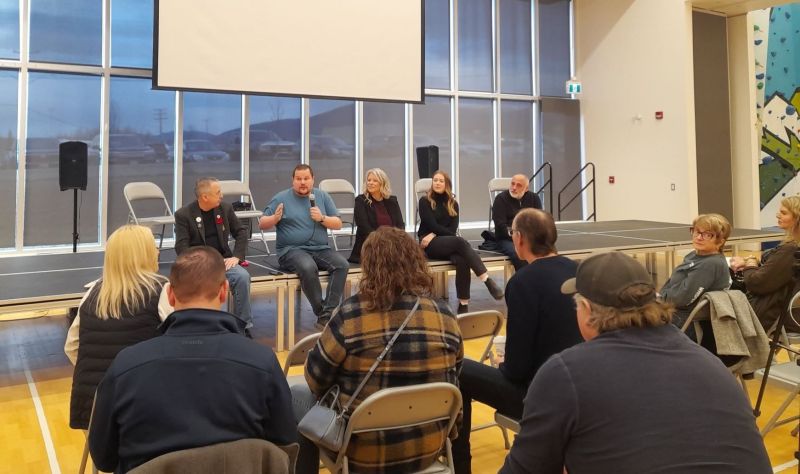
My LinkedIn profile says, “Thinking about health and wellness in rural BC”. Jesse’s first question to me was a fair one. “What was I thinking about right then?”
On my way up to Mackenzie, I’d been thinking about Tumbler Ridge, about the families living with that tragedy and how it could have happened in any small town in BC, including my own. By the time I sat down on the panel, I was thinking about how much I love small town BC.
A haircut I wasn’t allowed to pay for
I arrived a day earlier and when I went to check in at the hotel, they had one housekeeper working and it would be a few hours before my room was ready. Staff shortages are familiar territory where I come from and too often people who don’t live rurally complain like they are in a big city which results in no benefit to anyone. Instead, I had time to look around town and ended up at the mall, where I walked into Bare Edge Cuts and asked if I could get a haircut. Michele, the owner, fit me in on the spot. Like most small-town hairdressers I’ve met, she was easy to talk to. By the time she finished my cut, she knew what I did for a living and why I’d come to Mackenzie.
Then I tried to pay her. She wouldn’t take my money. I made what I thought was a perfectly reasonable argument about wanting to support a small business in a small town. It got me nowhere. Michele had made up her mind and I left with a free haircut. As far as I knew she just appreciated our work at the Network and when I told this story on the panel, that was all that I knew.
Wing night at the Legion
I asked Jesse afterwards how the Youth Wellness Society of Mackenzie got started. He and Cassandra Jones, the Society’s founding vice-president, had been part of a local effort to bring a Foundry centre to town. Foundry brings health and social supports for young people together in one place. Mackenzie made its case and was passed over. Unfortunately, many communities need mental health services and there are not enough dollars to support a Foundry in every community.
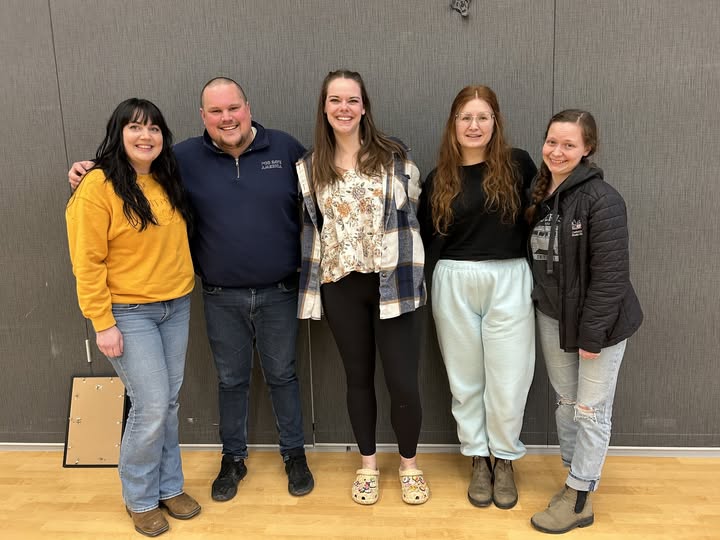
Later, at a northern mental health and addictions symposium, Jesse and Cassandra heard what other communities were doing. It occurred to both of them that the decision about Foundry still left plenty they could do. Back home they invited people they knew who cared about kids to wing night at the Legion. Then they went back for another wing night. By February 2025 they had a founding board that included people from the local schools and the recreation centre. The Society they built works with young people aged 12 to 25. They want more for kids to do in town, more opportunities for them to lead, and a say for youth in the decisions that affect them. They’re raising money for a youth drop-in centre.
How life led to living in rural BC
Jesse came to Mackenzie to teach and went on to work as a child and youth worker. A few years ago he went into high school classrooms and asked students what it was like to be young in Mackenzie. Some of the kids told him that if they wanted to see their friends, one of the few options they could count on was going out into the bush to drink. What was the kid who wanted the company and didn’t want the alcohol supposed to do?
Consider what we tell teenagers in our towns. Hang around the playground and somebody will remind you it’s for the little ones. Hang around the mall with your friends and sooner or later somebody will ask you to move along. Jesse wants a place where an 18-year-old can walk in, find a friend and stay a while. He’d also like to see a paid youth coordinator there, someone a young person knows, trusts and can be available when they need good advice, just need to have laugh or perhaps need help finding care.
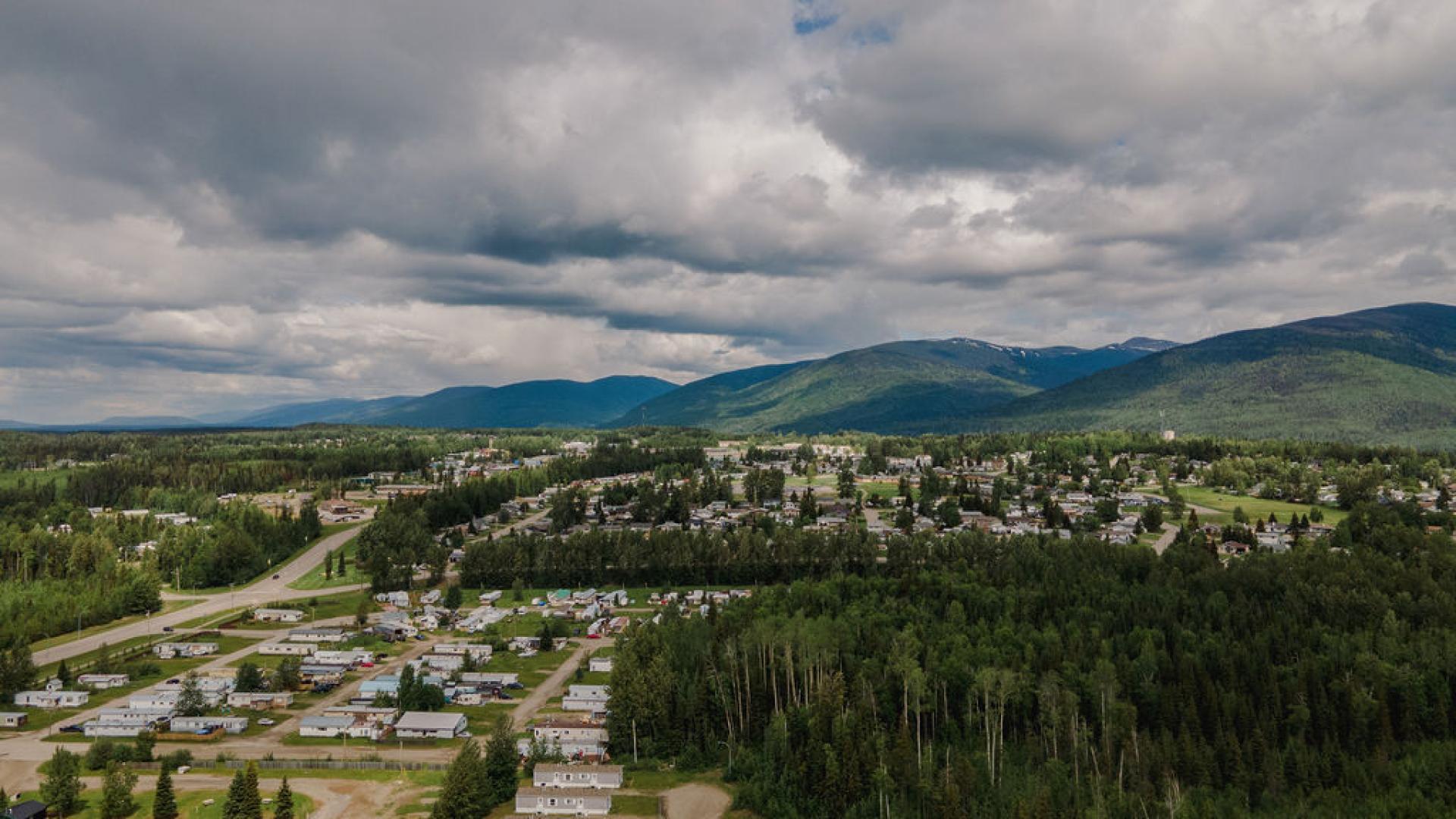
In his work with young people, Jesse helped some of them use Foundry’s virtual services. He also saw how quickly their options narrowed when they left high school and aged out of youth programs. As he put it, “Mackenzie is too close to Prince George, but also too far away from Prince George.” It’s close enough for a service based there to count Mackenzie among the communities it serves. It’s about two hours each way for the family making the trip. If you’re 19, without a car and trying to get help without telling everyone you know, how close is it really?
Jesse took his concerns to his fellow councillors. The community endorsed Jesse’s call for an in-person Foundry centre that seemed to meet all the needs for a community separated from what many in urban communities would consider standard programs and services. Closer to home services are so important, but even if Foundry had come to town, getting to an after-school activity can be complicated. Rural communities are often hubs for smaller communities and scattered populations and even a few kilometres in the winter make access a huge challenge.
Students from the McLeod Lake Indian Band travel by bus to attend school in Mackenzie. Jesse figures it’s about 45 minutes each way on a good day. A student who lives in town can stay after school for an activity and walk home. A student whose bus is leaving has a different decision to make.
Jesse and the Society want to work more closely with all local youth. He recognizes that the bus ride is a good place to start the conversation about who can get to a drop-in centre and who might still be left out. Gaps in care getting recognized is step one, filling them is more of a challenge.
Bringing the conversation to Mackenzie
The November 13th and 14th summit started as Jesse’s initiative while he served on council, and the Society helped him put it all together. One thing he wanted was for the people whose organizations serve Mackenzie to come to Mackenzie. Friday’s school program included workshops with Foundry, Northern Health Indian Residental School Survivior Society, Youth Wellness Society of Makenzie, WorkBC, and Mackenzie Community Services . A student could meet someone there and know who they were calling if they needed help later. Students also had the chance to describe their own experiences through the Youth Development Instrument, a survey that will give the community something to work from as it decides what to do next.
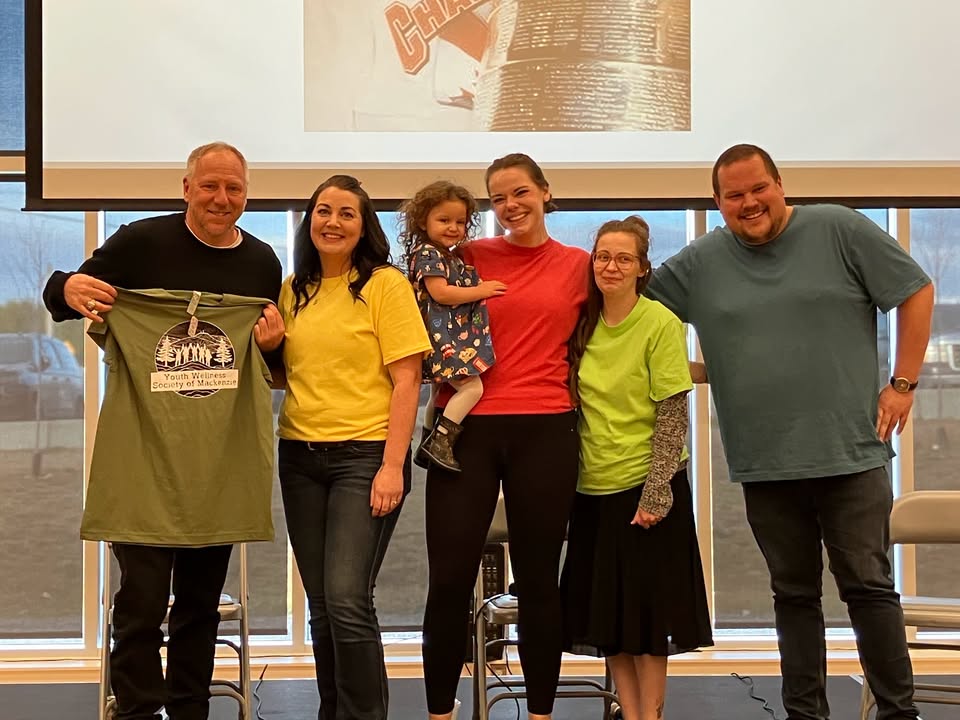
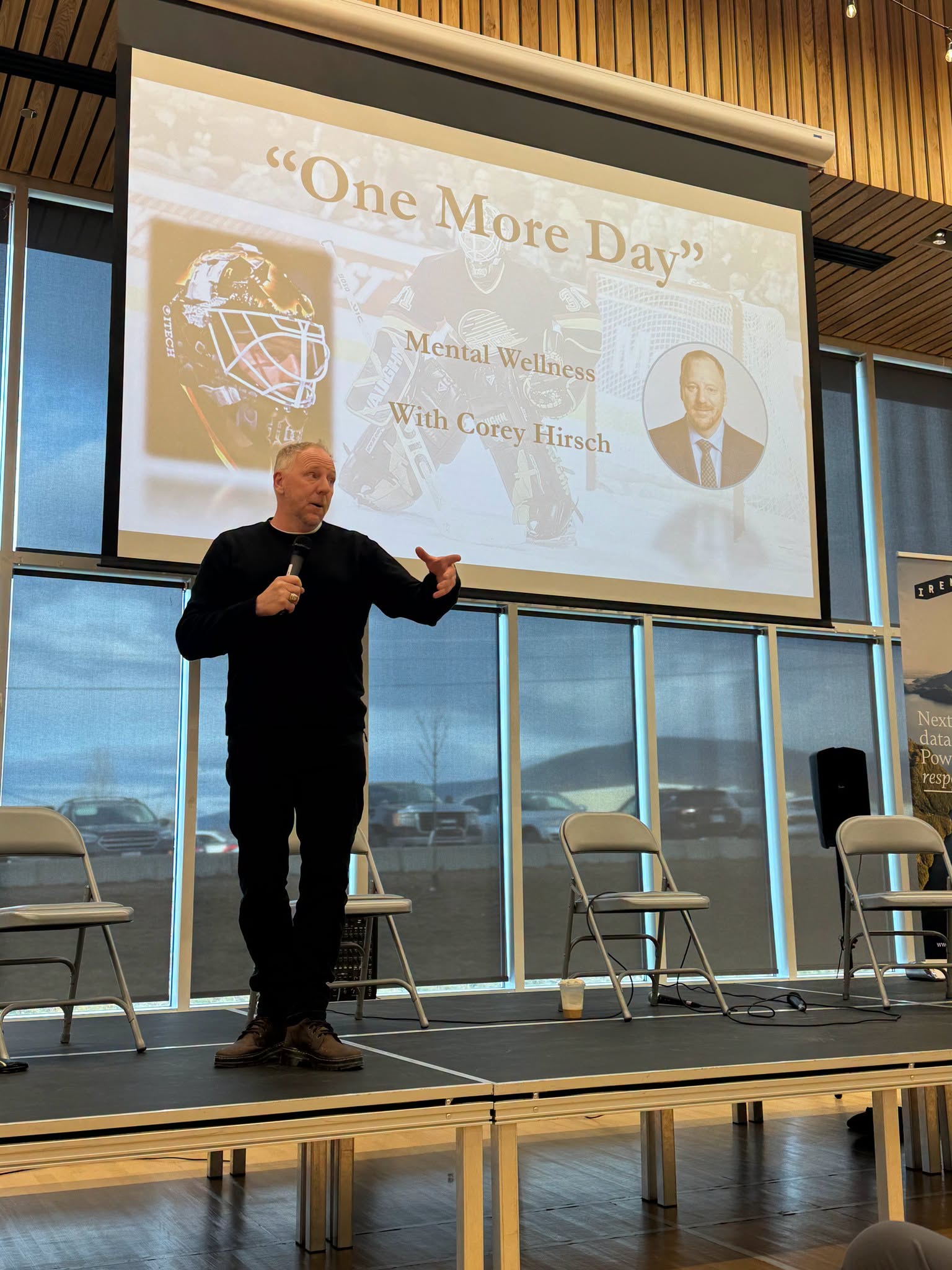
Jesse wanted to make an impact and found funding to bring former NHL goaltender, and Canadian Olympian Corey Hirsch who spoke directly to the high school and at the public event about his own experience with mental health. Jesse also facilitated the conversation I was invited to join, and I shared the panel with Erica Koopmans (PSHA), Terry Robert (NCLGA) and Chantelle Wilson (NHA). This was an amazing event especially for a small town and the work put in by Jesse and the Society deserves deep appreciation and acknowledgement.
When the survey results come back, Jesse states that the first people invited to make sense of them are the students who filled them out. “If they tell us they need a place that stays open on a Saturday night, those of us who work Monday to Friday should be listening.”
More about that free haircut
At the end of the panel, I learned something Michele hadn’t told me while I was sitting in her chair. Her son Dean had died by suicide at the age of 20. I spoke with her afterwards and asked her to tell me about him.
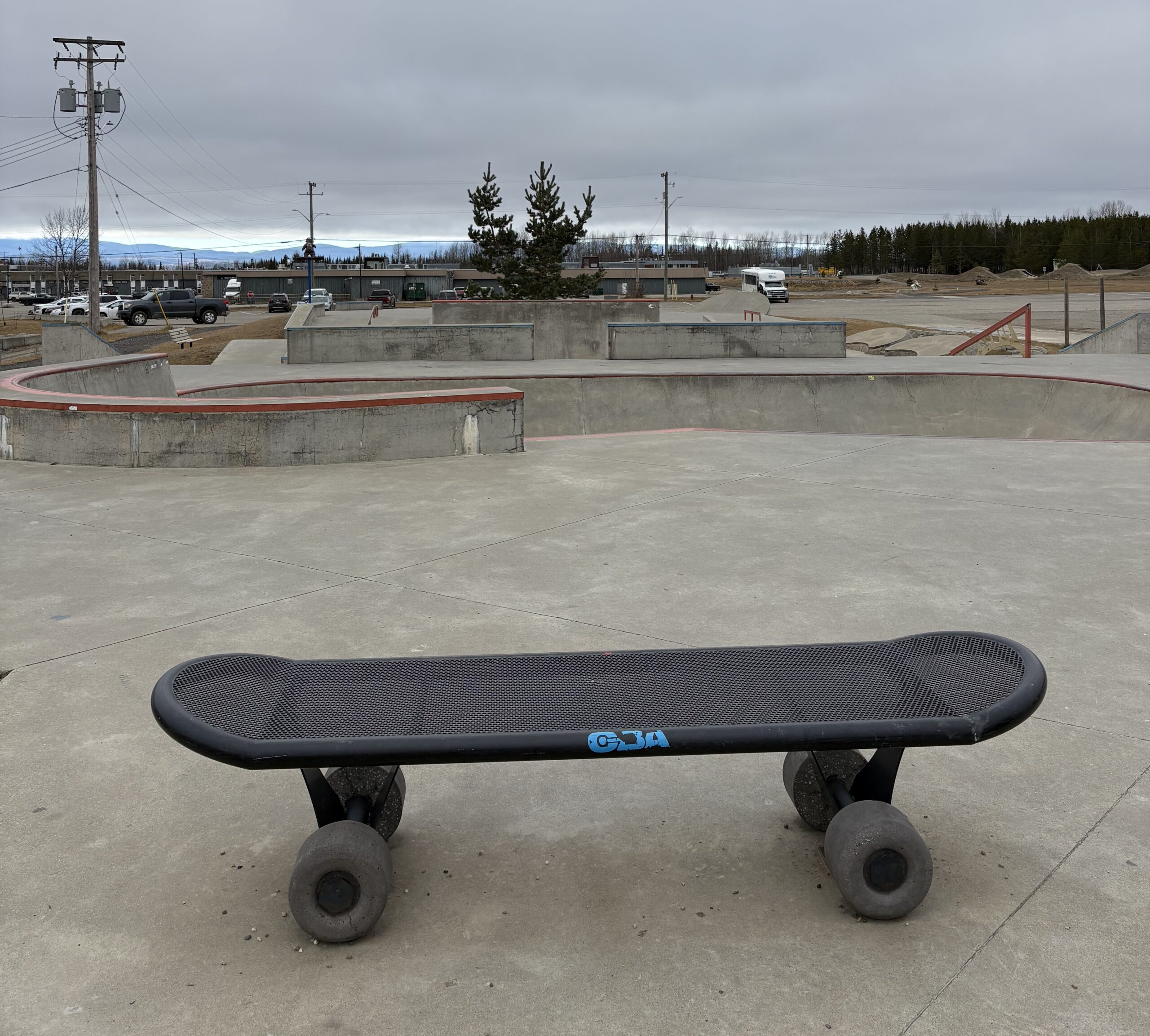
Dean was four when the family moved to Mackenzie. He was shy, close to his sister and, in his mom’s words, “a very kind and gentle person.” He played hockey, but he got tired of sitting on the bench. When Michele asked what else he’d like to do, his answer was skateboarding. He was about 11. Dean and his friends made their own skateboard rails and jumps. Michele would load them into her truck and drive the kids to the police station, of all places, “because they had the good cement.” When they were done, she’d go back and get them.
Dean graduated and wanted to stay in Mackenzie. He’d worked at a grocery store while he was in school and later took a job out of town. When he came back, mills were shutting down and work was hard to find.
Michele told me he’d struggled with his mental health as a teenager. I asked if he’d been able to get any mental health support during those years. Her answer was no.
In celebration of Dean and in recognition of all the young lives lost
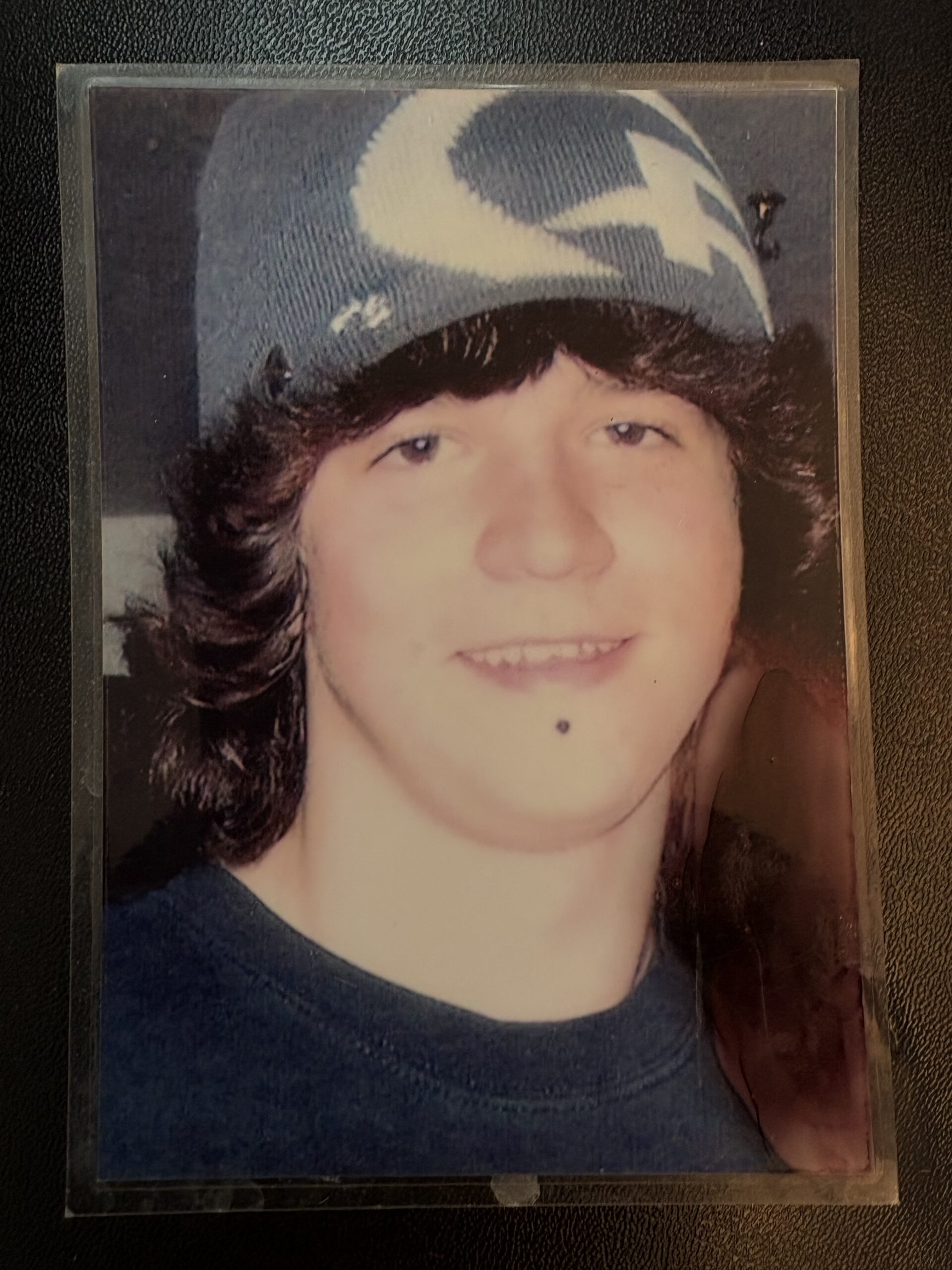
Dean died on October 1, 2010. His funeral was held at the school. Afterwards, Dean’s stepdad asked whether Michele had noticed what people kept saying when they came up to the family. One after another, they told them, “Dean was my best friend.”
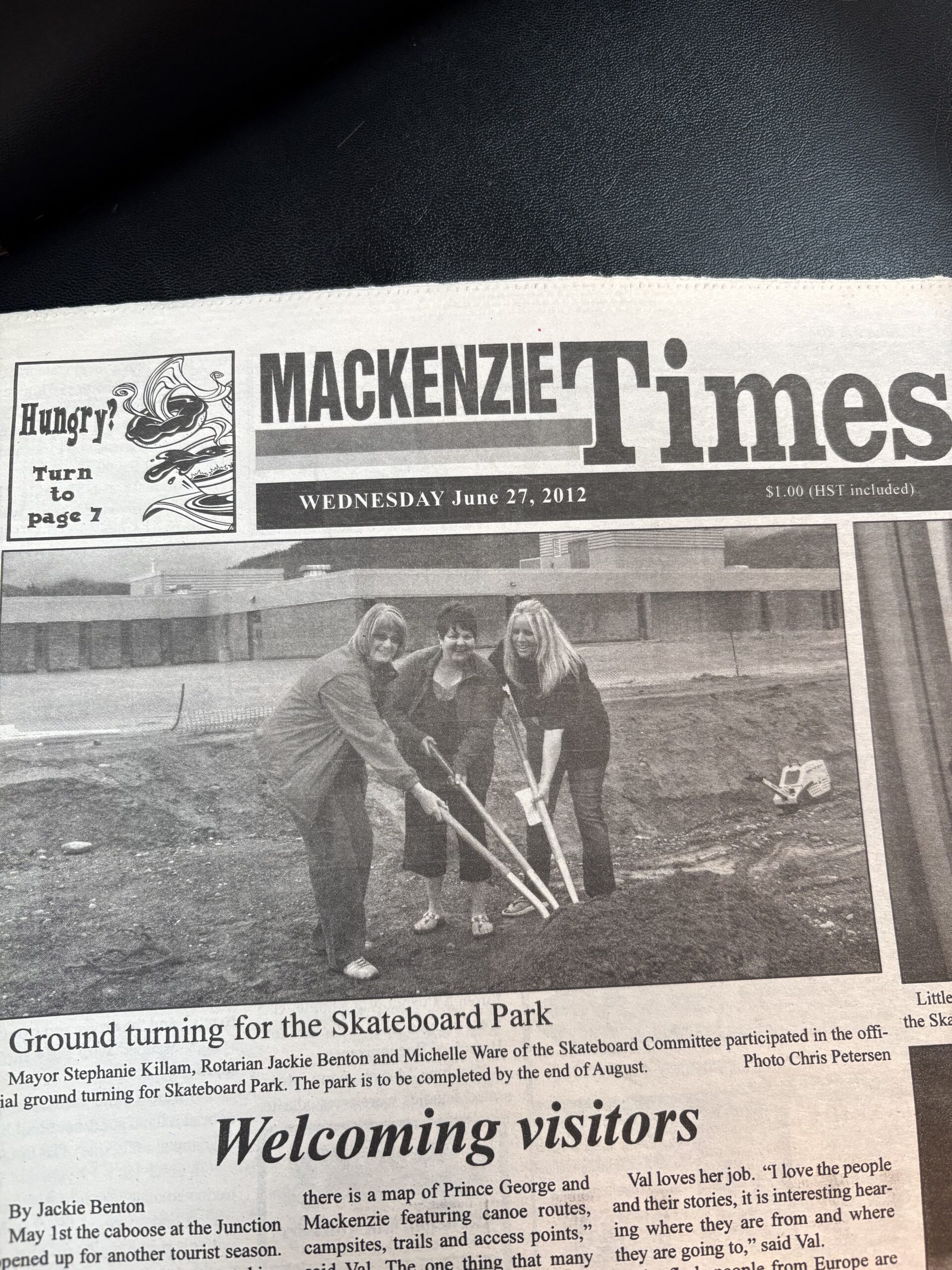
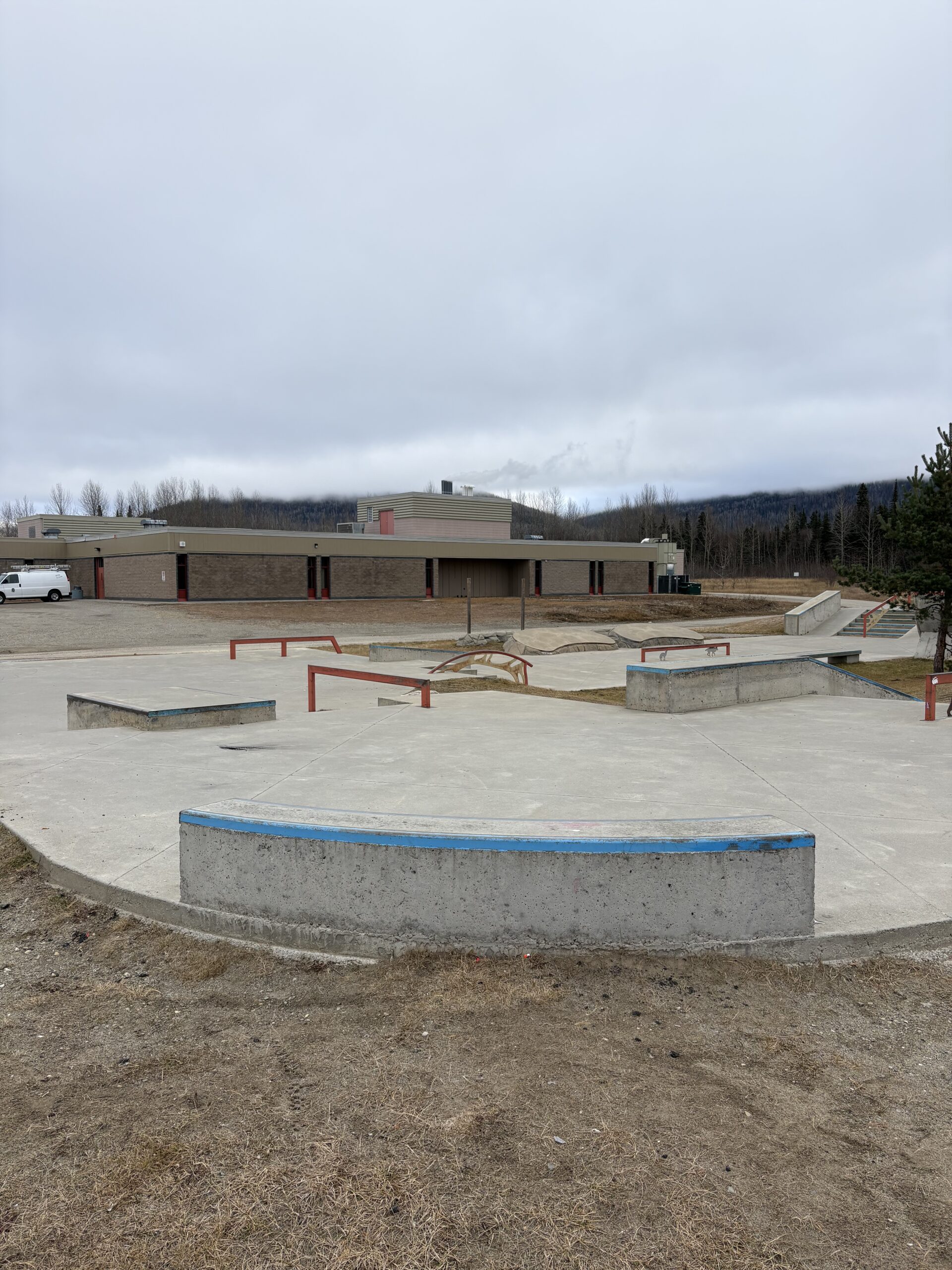
Michele wanted kids like Dean and his friends to have somewhere to skateboard. From her shop in the mall, she asked her neighbours to help build a park. People started donating. The local Rotary club offered to write a grant application and the grant covered much of what they needed. Her daughter had doubted her mum could get a whole skateboard park built. Michele remembered how it felt when the first shovels went into the ground. “Yes, we got a park. This is so wonderful for the kids.” You’ll find the Mackenzie Skate Park beside the recreation centre.
All the Dean’s of the world deserve better!
People who have lost someone of their own have found their way to Michele’s shop. She told me about grown men crying in her chair. She lets them talk and sometimes she cries with them.
I told Michele there would be a place in this article to remember Dean. I hope when someone in Mackenzie takes their child to that park, they’ll think of a boy who knew where to find the good cement and a mum willing to load those rails into her truck.
Michele, thank you for the haircut and for trusting me with your son’s story!
Dean doesn’t appear in the metrics used to measure service demand
I can be difficult to work with. From the Premier’s office on down, people hear the same message from me because they keep making the same decisions. I make no apology for being a broken record. You are welcome to hit the pause button by simply acting meaningfully and consistently in addressing the significant inequities faced for rural, remote and Indigenous communities.
At the BC Rural Health Network, we know reaching people on the edges of care will never be easy or cheap. But when a child dies before they can reach a regional referral centre, or even see a family doctor, you’ve failed that child, their family and every British Columbian who counts on the same promise of care.
Rural problems don’t stay in rural BC. One timely visit can save a life. Without it, a treatable condition can become a serious, lifelong illness (typically a shorter life). Some people leave rural, remote and Indigenous communities looking for help or to avoid problems and end up far from home, sometimes unhoused in Vancouver’s Downtown Eastside. Families and healthcare workers across the province carry the consequences.
In recognition of volunteers and community champions across BC
Mackenzie deserves better access to mental health care close to home. When the bid for a Foundry centre fell short, Jesse and Cassandra gathered people at wing night at the Legion and kept going. That’s what felt like home to me in Mackenzie this November.
Jesse, Cassandra and everyone at the Youth Wellness Society of Mackenzie, thank you for asking local kids what they need and for doing the work to give them a place of their own. We’re proud to recognize you as the BC Rural Health Network’s Member of the Month.
If you’re thinking about suicide or worried about someone, you can call or text 9-8-8 anywhere in Canada, any time. In an active emergency call 9-1-1