

In rural British Columbia, community leadership is rarely confined to a single job title. It is lived in long days, hard choices, and a willingness to do whatever needs doing when no one else is coming. In Fraser Lake, that kind of leadership is easy to recognize in Mayor Sarrah Storey.
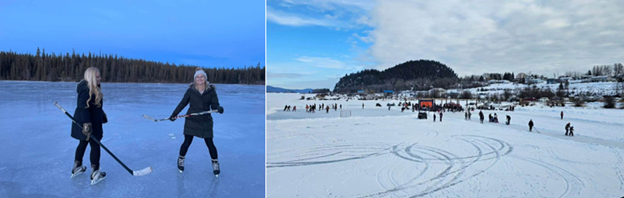
Storey has deep roots in northern BC and a long history of service. Raised in Prince George in a family shaped by conservation, hunting, fishing, and volunteerism, she grew up understanding community as something people build together. Long before municipal office, she was already doing practical, behind-the-scenes work, helping organize wildlife association events, handling budgets, supporting community efforts, and stepping into the kinds of roles that rarely attract attention but keep things moving.
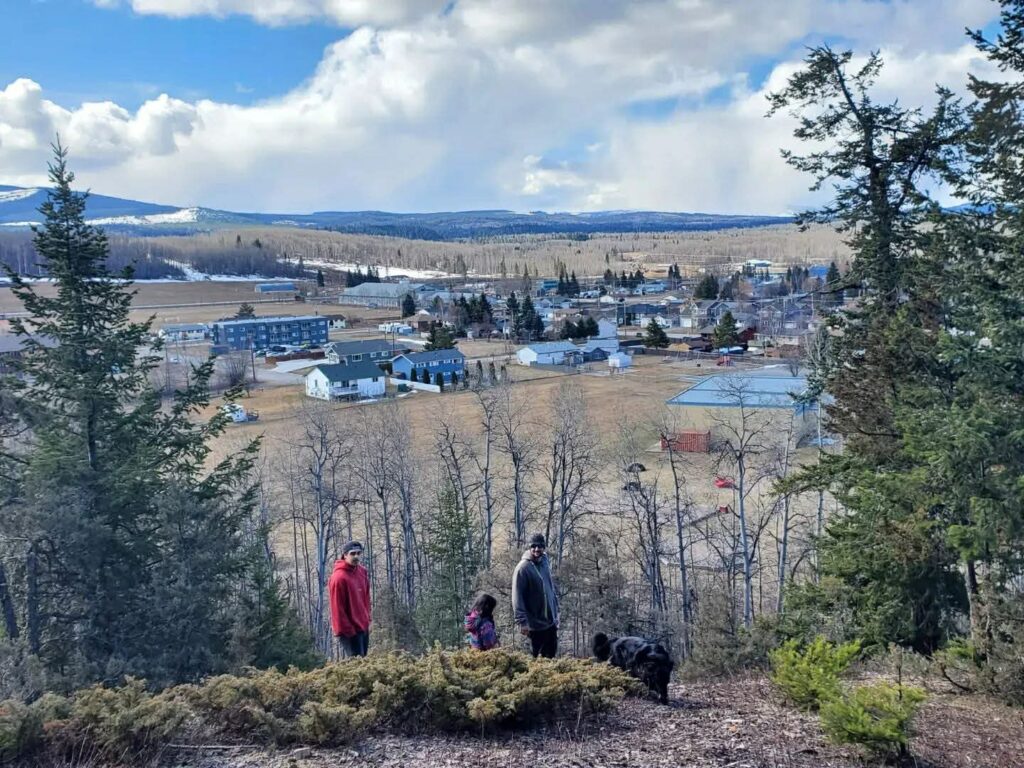
She moved to Fraser Lake in 2006, expecting to stay only briefly. Instead, the community became home. What followed says a great deal about both Storey and the place she now leads. She first ran for mayor not because she expected to win, but because she wanted to help change the direction of the community. After narrowly losing, she ran again in a by-election a few months later and won against a crowded field. Since then, she has served Fraser Lake through years of transition, challenge, and steady reinvention.
Today, Storey wears many hats. In addition to serving as mayor, she oversees healthy aging programming across Northern BC with United Way and serves in a provincial municipal leadership role as 2nd Vice resident of UBCM. But at the center of her work is a simple ethic: leave the world better than you found it and do more than your share. Those are not slogans for her. They are the standard she appears to hold herself to every day.
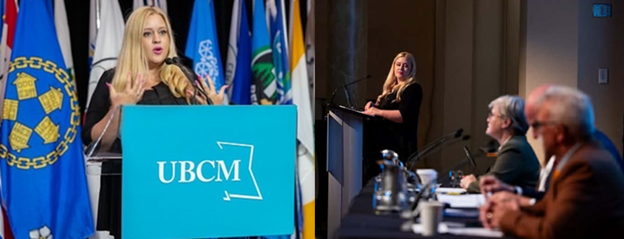
That ethic matters in a place like Fraser Lake. Rural communities are often described by what they lack, fewer providers, fewer services, longer travel times, tighter budgets. But Fraser Lake is also a place defined by what it has built: relationships, creativity, resilience, and a determination to solve problems locally wherever possible.
When asked about the most urgent rural health priorities facing her community, Storey did not hesitate. The issues are immediate and concrete: the need to stabilize regional hospital services in Vanderhoof, including anesthesia coverage; the challenge of replacing a pharmacist in Fraser Lake; the difficulty of recruiting and retaining health professionals; and the broader reality that many people are still relying on temporary staffing, virtual supports, or long-distance travel for care that should be easier to access closer to home.
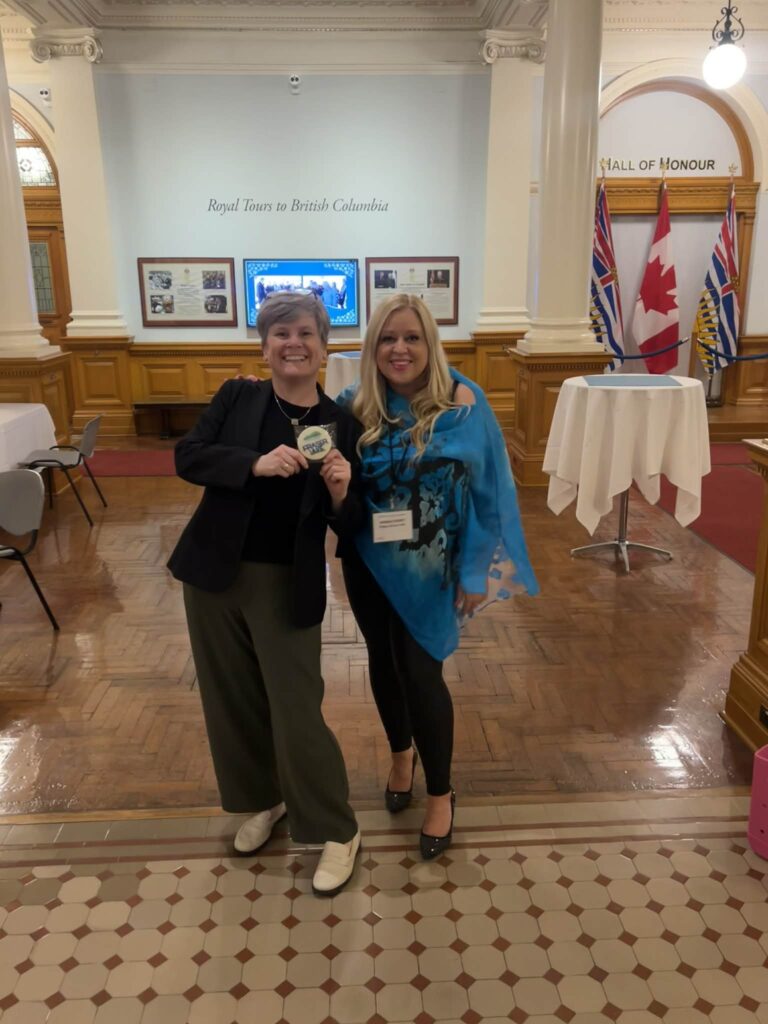
Her description of Fraser Lake’s catchment is a useful reminder that “small town” does not mean small need. The community serves not just the village itself, but is also a hub for surrounding areas including the north shore of Fraser Lake, Fort Fraser, Endako, Francois Lake, Coreyville, the Nadleh Whut’en and Stella’ten First Nations, and nearby rural residents who depend on Fraser Lake. In that context, a clinic vacancy or a pharmacy staffing issue is never just an administrative inconvenience. It affects an entire region.
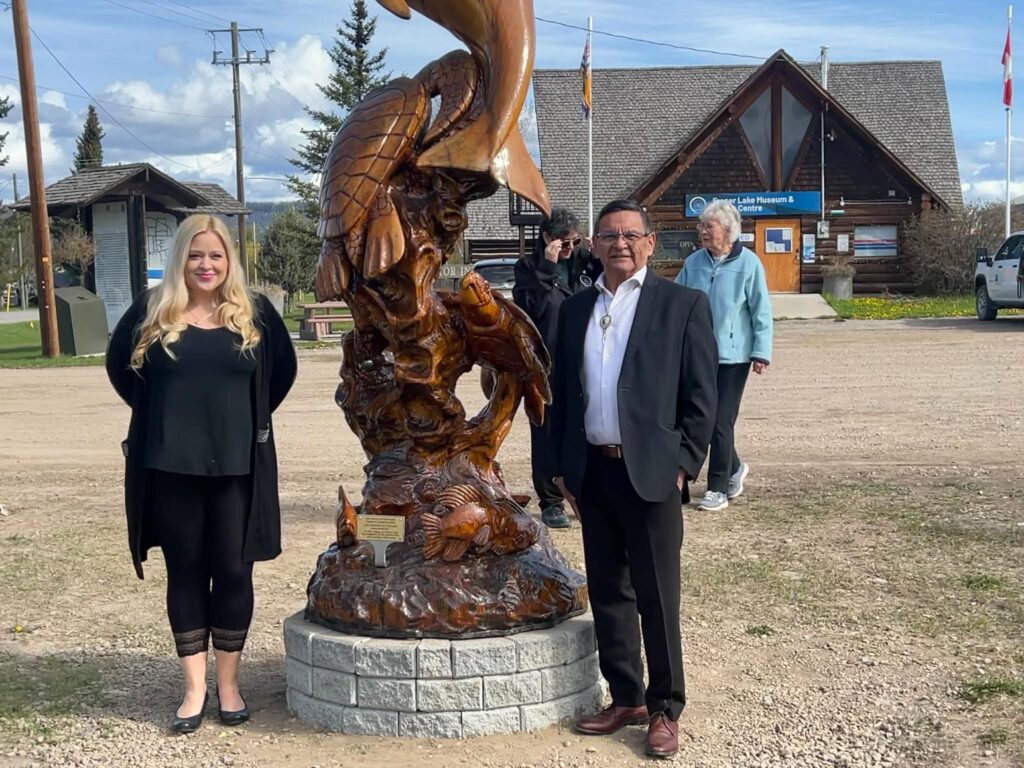
At the same time, Storey is clear that rural communities should not be defined only by deficits. Fraser Lake has developed real strengths that other communities can learn from, particularly around community support and transportation.
One of the strongest examples is Autumn Services, a community-based model that helps seniors age in place with dignity. Storey helped start the initiative years ago with her mother-in-law, and although she has since stepped back to manage professional boundaries, she still speaks about it with obvious pride. The model is simple in concept and powerful in practice: create a trusted place where seniors and elders can access meals, transportation, practical support, social connection, and help navigating the realities of daily life.
That trust, she suggests, is as important as any single service. When people have somewhere safe to go, somewhere they are known and heard, they are more likely to speak up about what is really happening in their lives, whether that is food insecurity, caregiver stress, isolation, or unmet health needs. In a rural setting, that kind of early support can prevent bigger crises later.
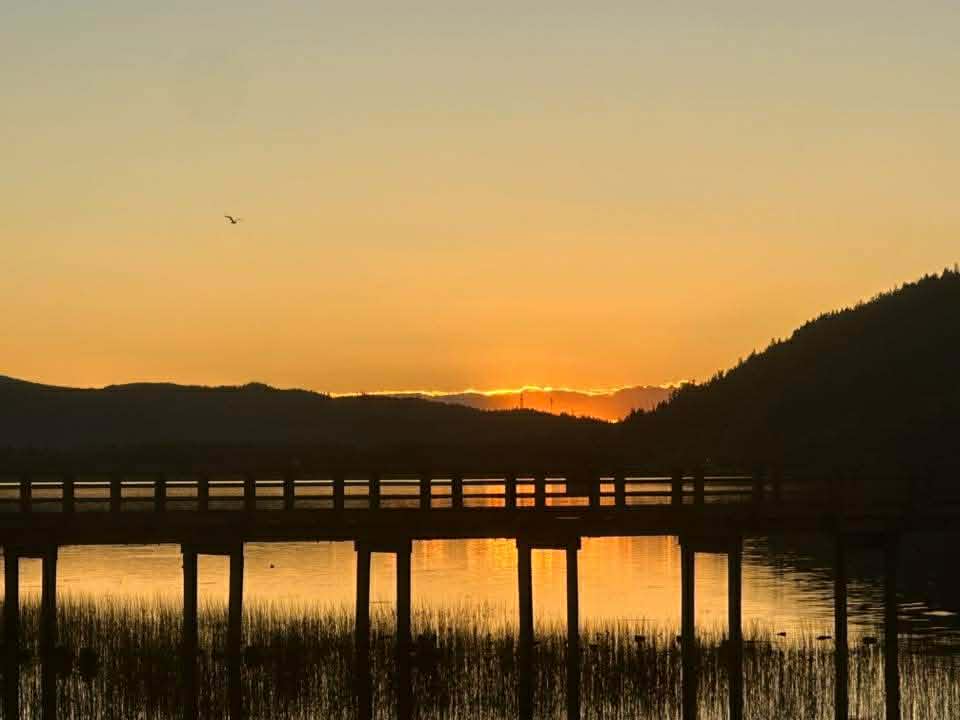
Fraser Lake has also become a leader in rural transportation solutions. Storey points to the way multiple services now work together in and around the community: local transportation options, community vans, regional transit, and health-related transport supports. In many places, transportation is treated as a side issue. In rural life, it is healthcare access, social inclusion, and independence all at once. Fraser Lake’s progress in this area shows what becomes possible when community determination is paired with persistence and practical problem-solving.

The same persistence shows up in how Storey talks about economic transition. Fraser Lake has been through major disruptions, including industrial losses, business losses, and uncertainty around housing and future growth. Yet she does not describe the community as defeated. Instead, she speaks about balance, building a future that is not dependent on any single industry, creating conditions for sustainability, and making sure the community can benefit from new opportunities without losing its character or resilience.
That future includes difficult questions about housing, seniors’ care, and local capacity. One issue she raises with particular urgency is the need for assisted living and respite options closer to home. In many rural communities, seniors who need a higher level of support are forced to leave family, friends, and familiar surroundings behind to access care in larger centres. Storey sees that as both a human and system failure. Rural elders should not have to age far from the people and places that anchor them.

There is also a larger message running through her remarks, one that will resonate across rural BC. Communities like Fraser Lake are innovating constantly, but they cannot and should not be expected to carry provincial responsibilities on local goodwill alone. Recruitment incentives, volunteer effort, and municipal creativity all matter, but they are not substitutes for stable systems, equitable funding, and a serious commitment to rural service delivery.
Storey brings that perspective not only to Fraser Lake, but also to her broader advocacy work. She understands how often rural communities are asked to compete with larger centres for the same limited workforce, the same limited dollars, and the same limited attention. She also understands that real progress requires more than pilot projects and policy language. It requires decisions that reflect the actual lived realities of rural people.
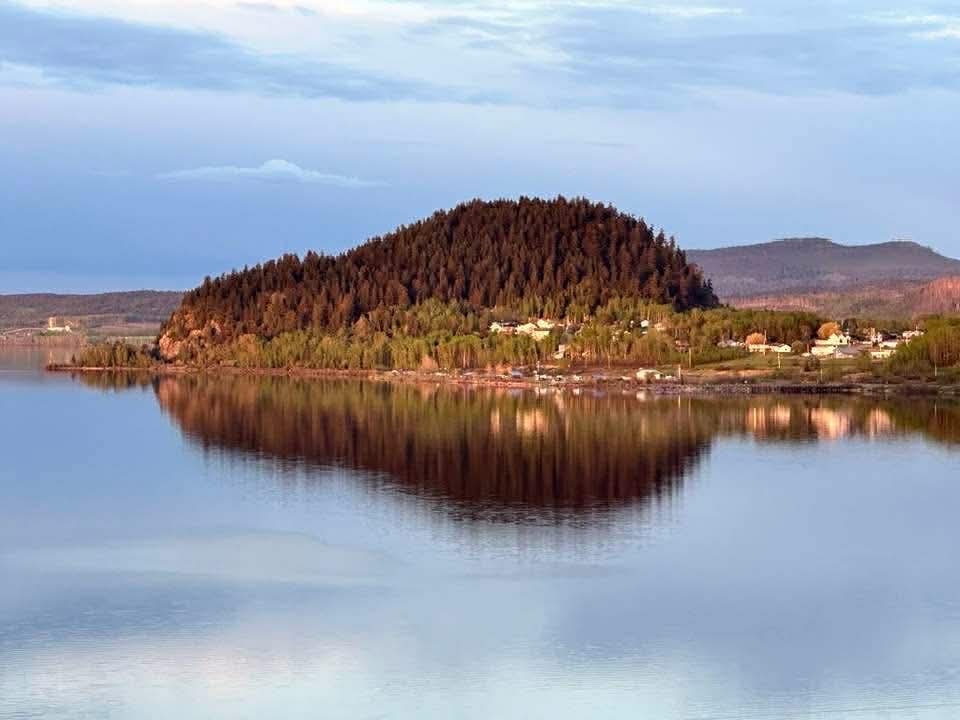
What stands out most in speaking with Sarrah Storey is not just how much she does, but how personally she carries the work. She speaks candidly about sacrifice, about the toll leadership can take on family life, and about the emotional burden of trying to move a community forward when systems around you move too slowly. Yet even in that honesty, there is no cynicism. There is frustration, yes, but also determination.
That may be the clearest reason Fraser Lake makes such a compelling Member of the Month feature. This is a community working hard to create practical supports close to home, and it is led by someone who understands both the promise and the pressure of rural leadership. Mayor Sarrah Storey represents the kind of grounded, community-first leadership that rural BC depends on: direct, energetic, deeply engaged, and unwilling to accept that people in smaller places should settle for less.
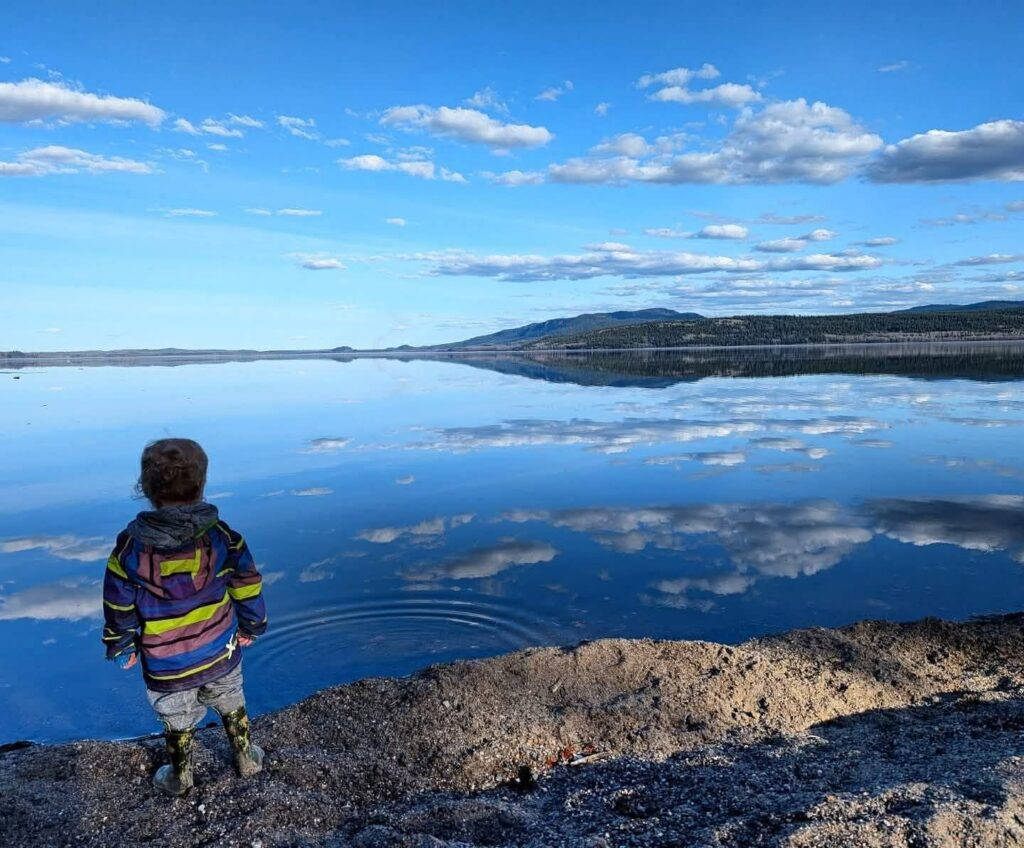
Fraser Lake’s story is still being written. But if the measure of a community is how it responds to challenge, builds connection, and keeps pushing for better, then Fraser Lake has much to be proud of, and much that other communities can learn from.