The Village of Kaslo sits on the shores of Kootenay Lake, serving a small but geographically dispersed population across North Kootenay Lake. With a village population of approximately 1,000 and a broader catchment of roughly 2,500 people, Kaslo is a community where neighbours know one another and where the impacts of health system decisions are felt immediately and personally.
Kaslo is also a community with one of the oldest populations in British Columbia. According to the 2021 census, more than 34 percent of residents are aged 65 and over, compared to a provincial average of roughly 20 percent. This demographic reality places long term care, home support, and aging in place at the centre of community wellbeing.
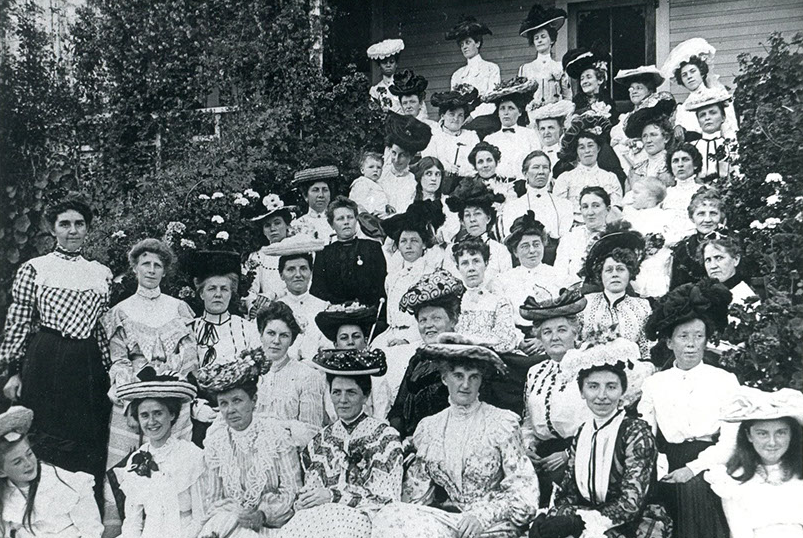
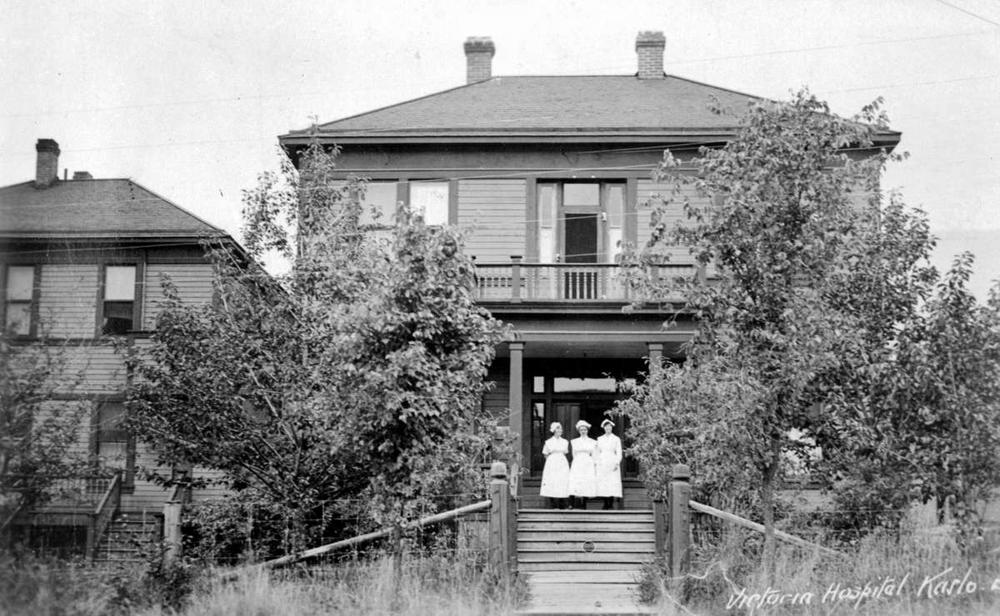
For more than a century, the Victorian Hospital of Kaslo Auxiliary Society has played a central role in advocating for and supporting healthcare in the community. Founded in 1902, the Auxiliary is the oldest healthcare auxiliary in British Columbia and was instrumental in the original establishment of the hospital itself. From its earliest days, the Auxiliary has reflected a deeply rooted belief that rural communities must advocate for their own health services and ensure they remain viable over time.
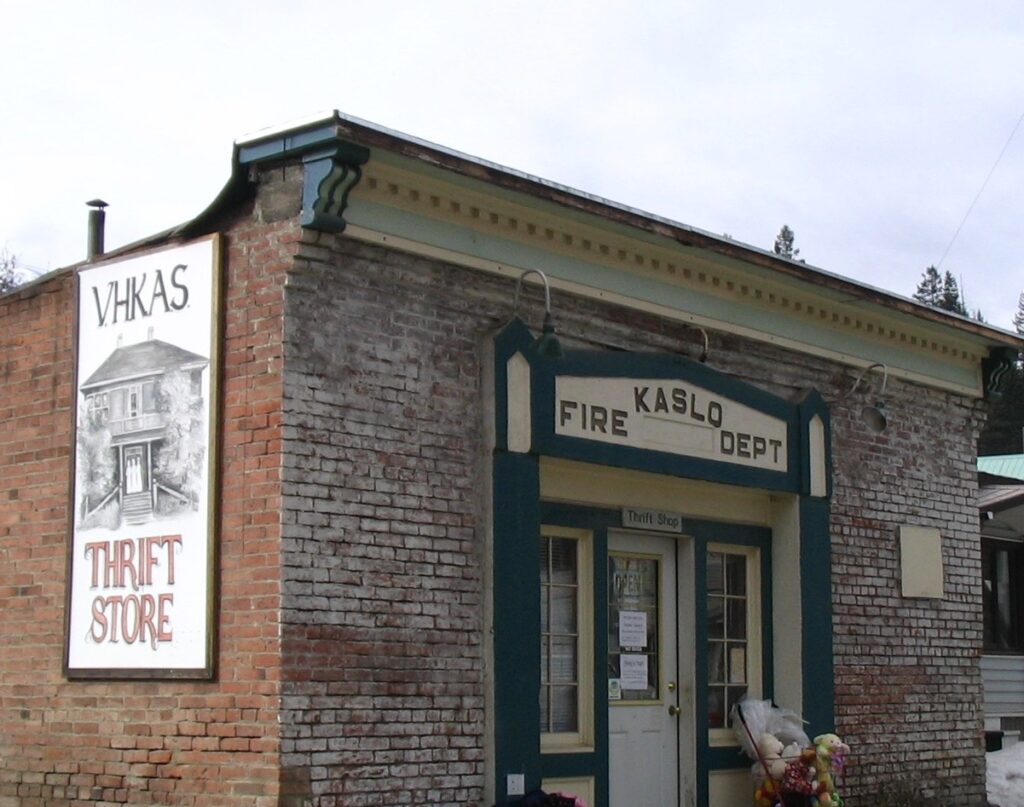
Today, that legacy continues through the work of a dedicated group of community volunteers. The Auxiliary operates the Kaslo Thrift Store, located in the original Kaslo fire hall at 409 A Avenue. All thrift store operations are staffed by volunteers, and proceeds are reinvested directly back into the community. Each year, the Auxiliary distributes approximately $20,000 to $30,000 to support long term care residents, community wellness initiatives, and local health related needs.
These contributions include funding recreation and activity programming for residents in long term care, supporting activity coordinators, maintaining and improving outdoor garden spaces, and installing wheelchair accessible raised garden beds to encourage mobility and engagement. The Auxiliary has also funded broader community safety initiatives, including the placement of three automated external defibrillators in downtown Kaslo.
Recent infrastructure improvements have further strengthened this work. With support from Columbia Basin Trust, the Auxiliary completed a full renovation of its thrift store storage and sorting facility, bringing it up to code, adding heat, and enabling year-round operations. Solar panels were also installed on the building, dramatically reducing operating costs and ensuring that more funds can be directed back into community benefit rather than overhead.
Kaslo’s health facility includes a primary care clinic, limited emergency services, and an 18-bed long term care home operated by Interior Health. Six of those beds remain in shared rooms, a model that no longer reflects modern best practice. While there are two dedicated palliative care suites, overall capacity remains insufficient to meet both current and projected demand.
Although Interior Health cites average wait times of three to six months for long term care placement, community experience tells a different story. Families regularly report waits of a year or more, often resulting in loved ones being placed in facilities far from Kaslo. When seniors are relocated to Nelson or beyond, visits decrease, isolation increases, and health outcomes suffer. In rural communities, distance is not a minor inconvenience. It is a direct determinant of health.
Transportation compounds these challenges. Kaslo is approximately one hour from Nelson and two hours from Trail, with limited public transit operating only a few days per week. For many seniors, a single medical appointment in Trail via public transport can require a fourteen-hour day, multiple transfers, and overnight accommodation. Winter travel adds further risk and difficulty. These realities make out of community long term care placements especially harmful, separating elders from their social networks at the time of life when connection matters most.
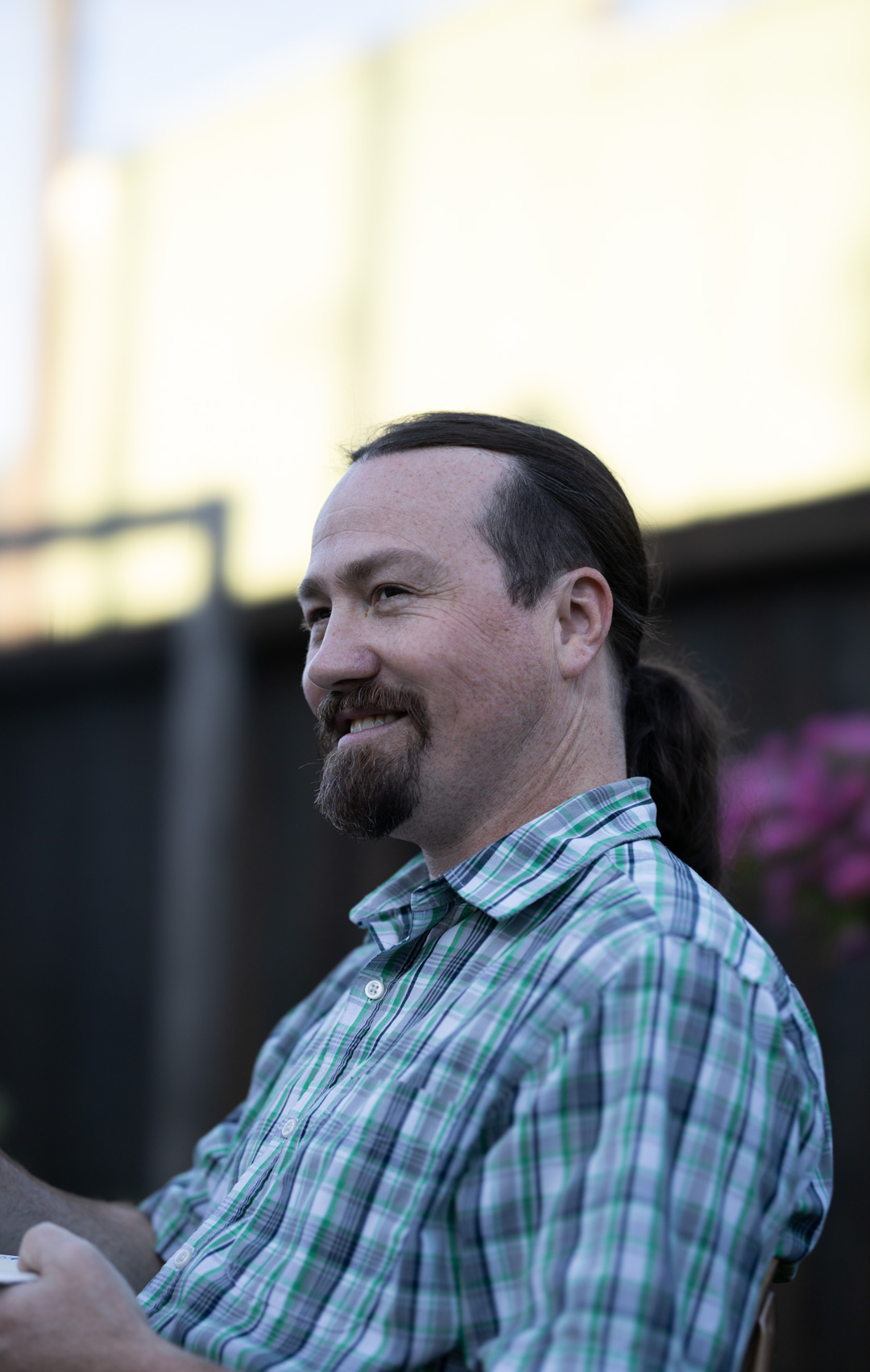
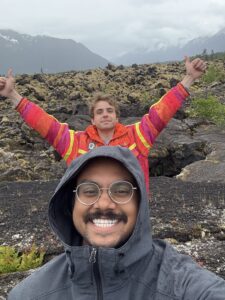
Advocacy around long term care in Kaslo has been ongoing for many years, with a committed group of residents raising concerns and engaging decision makers since at least 2018. Since joining this work in 2024, Tyler Dobie, Chair and President of the Auxiliary, has helped advance these efforts by coordinating advocacy, engaging Interior Health leadership, and maintaining momentum toward concrete outcomes. Over the past year, this persistence has resulted in senior level acknowledgement and a commitment to apply for funding for a comprehensive strategic planning study to assess long term care needs in Kaslo.
The vision emerging from this work goes beyond simply adding beds. It focuses on long term care as part of a broader community care hub that supports aging in place. This includes exploring opportunities for expanded long term care capacity alongside independent seniors housing and transitional supports on existing public land adjacent to the hospital. Such an approach would allow seniors to remain in their community as needs change, while also easing pressure on acute care and freeing up family housing.
Evidence increasingly shows that small scale, community based long term care improves outcomes while reducing system wide costs. Acute care beds are significantly more expensive than long term care, yet rural communities are often forced to rely on them when appropriate options are unavailable. The financial cost is substantial, but the social cost to families and communities is even greater.
The Victorian Hospital of Kaslo Auxiliary Society continues to serve as a steward of community voice, a connector between residents and health providers, and a steady advocate for equitable access to care. Its work demonstrates the critical role that volunteer driven organizations play in sustaining rural healthcare systems.
Kaslo’s story is not unique, but it is instructive. It shows how long-term commitment, collaboration, and local leadership can shape a more equitable future. Aging in place is not a luxury. It is a cornerstone of rural health equity.